
Jihadist Prisoner Release Secures Fuel Convoy Truce in Mali
- Mali News
OurDailyAfrica Reporter
- 0
- 9 minutes read
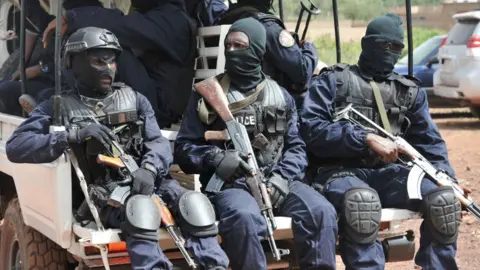
A fragile agreement in Mali has led to the release of jihadist prisoners in exchange for safe passage of a critical fuel convoy, highlighting the complex security challenges facing the country. The development comes as authorities and armed groups continue to navigate a volatile landscape shaped by insurgency, economic pressure, and humanitarian concerns.
The truce, which allowed fuel trucks to move through previously restricted areas, reflects a strategic compromise aimed at easing immediate shortages. Fuel supplies have become increasingly important in Mali, where ongoing insecurity has disrupted transportation routes and affected essential services. As a result, the agreement represents both a short-term solution and a sign of deeper structural challenges.
Jihadist Prisoner Release in Mali Enables Fuel Convoy Movement
The jihadist prisoner release in Mali formed a key part of the negotiated arrangement. Authorities agreed to free detained militants in return for guarantees that a fuel convoy could pass safely through contested territories.
This agreement allowed fuel trucks to travel without attack or obstruction. Consequently, the convoy successfully reached its destination, helping to ease supply pressures in affected areas.
Such negotiations highlight the difficult choices governments face when balancing security concerns with urgent economic needs. While the truce provided immediate relief, it also raised concerns about long-term implications.
Security Challenges Continue Across Mali
Mali has faced persistent security threats over the past decade. Armed groups linked to extremist networks operate across large parts of the country, particularly in northern and central regions.
These groups often target infrastructure, disrupt trade routes, and challenge state authority. As a result, movement of goods, including fuel, becomes increasingly difficult.
Therefore, authorities sometimes rely on negotiated arrangements to ensure the delivery of essential supplies. However, such strategies often attract criticism due to the potential risks involved.
Economic Pressure Drives Urgent Decisions
Fuel shortages in Mali have created significant economic pressure. Transportation costs have increased, while businesses struggle to operate effectively.
In addition, essential services such as healthcare and electricity depend heavily on fuel availability. Consequently, delays in supply can quickly affect daily life.
The decision to proceed with a jihadist prisoner release in Mali reflects the urgency of the situation. Authorities prioritized immediate access to fuel in order to stabilize key sectors.
However, this approach also highlights the broader economic vulnerabilities facing the country.
Humanitarian Concerns and Civilian Impact
Beyond economic factors, the situation carries serious humanitarian implications. Communities in affected regions often face limited access to basic resources.
Fuel shortages can disrupt food supply chains, increase prices, and limit access to healthcare services. As a result, vulnerable populations experience greater hardship.
The successful movement of the convoy therefore provided temporary relief. However, long-term solutions remain necessary to address recurring challenges.
Debate Over Negotiating With Armed Groups
The jihadist prisoner release in Mali has sparked debate among analysts and policymakers. Some argue that such negotiations can encourage further demands from armed groups.
Others believe that temporary agreements are necessary to protect civilians and maintain essential services.
This debate reflects a broader dilemma faced by governments dealing with insurgencies. On one hand, authorities must uphold security and rule of law. On the other hand, they must respond to urgent humanitarian and economic needs.
Therefore, decisions often involve difficult trade-offs.
Regional Implications for West Africa
The situation in West Africa carries wider implications for neighboring countries. Security challenges in Mali often affect cross-border trade and regional stability.
Armed groups operate across porous borders, creating shared risks for multiple nations. Consequently, developments in Mali attract attention from regional governments and international partners.
The use of negotiated truces may influence how other countries respond to similar challenges. Therefore, the outcome of such agreements remains closely monitored.
International Attention and Strategic Concerns
International observers continue to monitor the evolving situation in Mali. The country remains a focal point in global efforts to combat extremism in the Sahel region.
At the same time, humanitarian organizations emphasize the importance of maintaining access to essential supplies.
The jihadist prisoner release in Mali highlights the complexity of addressing both security and humanitarian concerns simultaneously. As a result, policymakers must carefully evaluate each decision.
Long-Term Stability Remains Uncertain
While the truce enabled the safe movement of fuel, long-term stability in Mali remains uncertain. Armed groups continue to operate in several regions, and security conditions remain fragile.
Therefore, temporary agreements may not provide lasting solutions. Sustainable stability will require broader strategies that address governance, economic development, and security.
In addition, strengthening infrastructure and improving supply chains could reduce reliance on negotiated access.
Conclusion
The jihadist prisoner release in Mali underscores the difficult balance between security and survival in a country facing ongoing instability. By allowing a fuel convoy to pass safely, the agreement provided immediate relief to communities and businesses.
However, it also raises important questions about long-term strategy and the risks of negotiating with armed groups. As Mali continues to confront complex challenges, the need for durable solutions remains clear.
Ultimately, the situation reflects a broader reality across conflict-affected regions, where governments must make difficult decisions to meet urgent needs while striving for lasting peace.