
Iran Warns US of Retaliation if Washington Launches an Attack
- News
OurDailyAfrica Reporter
- 0
- 9 minutes read
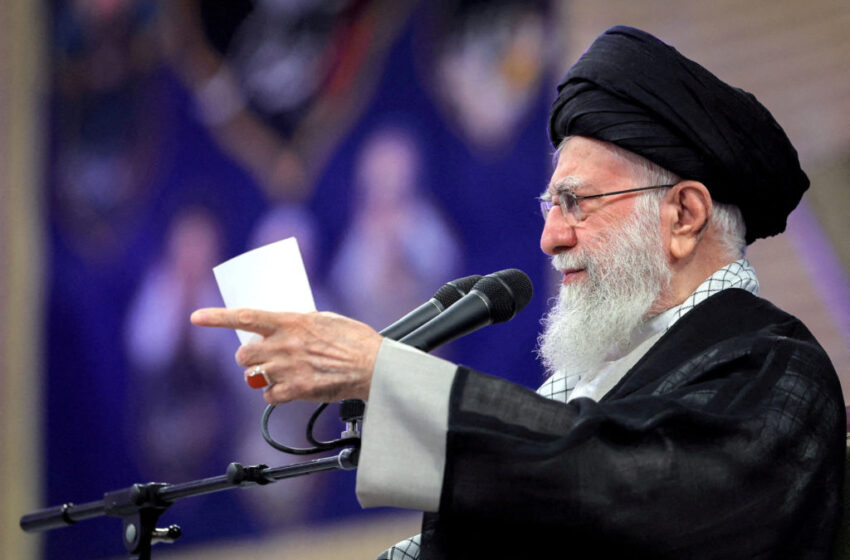
FILE PHOTO: Iranian Supreme Leader Ayatollah Ali Khamenei speaks during a meeting in Tehran, Iran, May 20, 2025. Office of the Iranian Supreme Leader/WANA (West Asia News Agency)/Handout via REUTERS ATTENTION EDITORS – THIS PICTURE WAS PROVIDED BY A THIRD PARTY/File Photo
Iran warns of retaliation amid rising tensions with Washington
Iran has issued a firm warning to the United States, stating that it will respond decisively if Washington launches any military attack against the country. The message reflects growing geopolitical tension as nationwide protests continue across Iran and international pressure mounts on Tehran’s leadership.
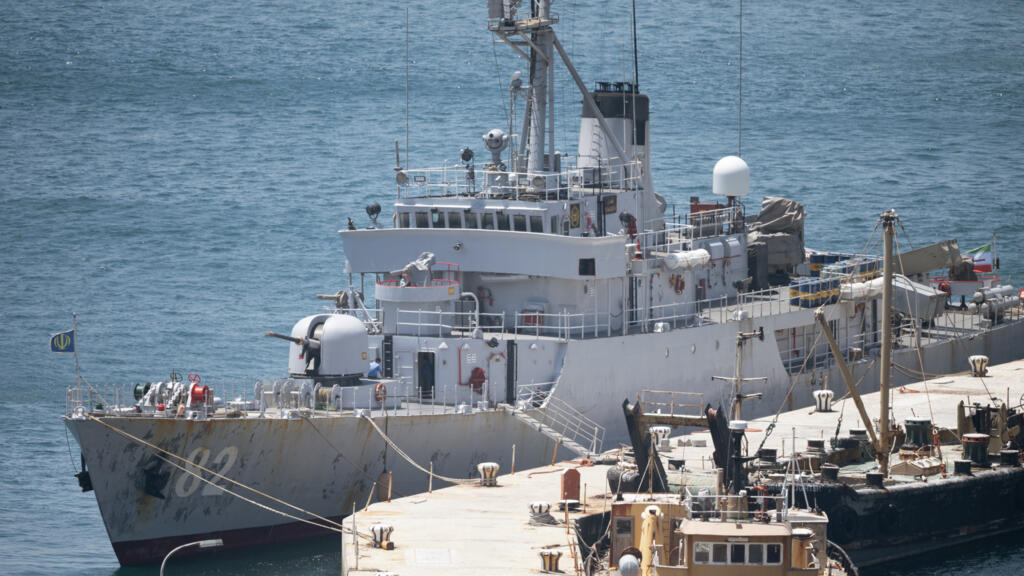
Senior Iranian officials say any act of aggression would trigger a strong response targeting U.S. interests across the Middle East. According to Tehran, military bases, strategic facilities, and shipping routes linked to the United States and its allies would become legitimate targets if an attack occurs.
This warning comes at a time when Iran faces internal unrest, economic challenges, and heightened diplomatic friction with Washington. As a result, regional and global observers are closely monitoring the situation for signs of escalation.
Nationwide protests deepen Iran’s internal crisis
Iran has experienced widespread protests driven by rising inflation, unemployment, and economic hardship. Initially sparked by financial grievances, demonstrations quickly evolved into broader demands for political reform and accountability.
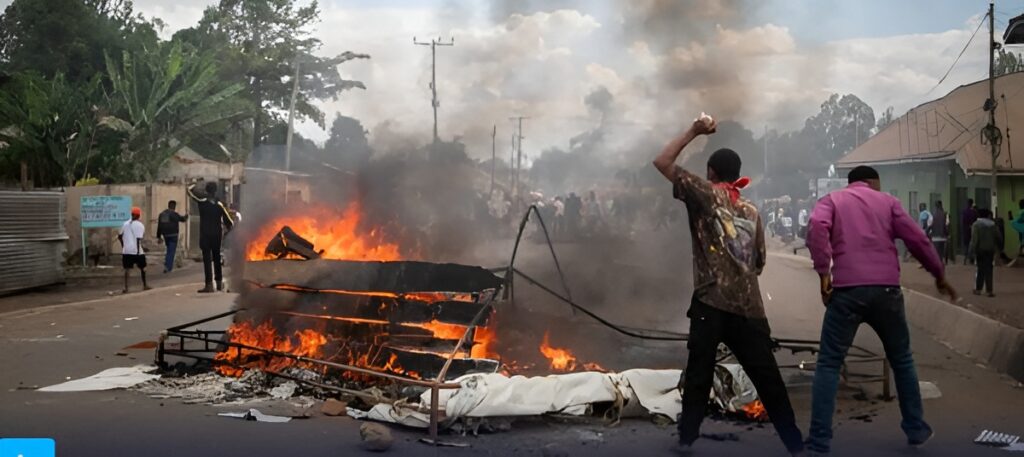
Protesters have taken to the streets in major cities and smaller towns alike. Despite heavy security presence, many demonstrators continue to challenge government authority. Meanwhile, authorities have imposed restrictions on gatherings and limited internet access to control the spread of unrest.
Human rights organizations report that clashes between security forces and protesters have resulted in numerous deaths and thousands of arrests. Although official figures remain disputed, the scale of the unrest reflects deep frustration within Iranian society.
Iranian leadership responds with strong rhetoric
Iran’s political leadership has reacted forcefully to both the protests and perceived foreign interference. The speaker of Iran’s parliament warned that any U.S. military action would be met with immediate retaliation.
He emphasized that Iran would not limit its response to symbolic measures. Instead, Tehran would strike strategic targets connected to U.S. military operations in the region. Additionally, Iranian officials made it clear that Israel would also face consequences if it supported or participated in any hostile action.
According to Iranian leaders, Washington’s statements about supporting protesters amount to direct interference in Iran’s domestic affairs. Tehran views such rhetoric as an attempt to destabilize the country and weaken its sovereignty.
Iran warns of retaliation against regional targets
Iran’s warning extends beyond direct U.S. military forces. Officials stated that regional allies and logistical hubs supporting American operations would also be vulnerable. This includes military bases, naval assets, and key shipping routes.
Iran has long positioned itself as a regional power capable of projecting influence across the Middle East. Therefore, any conflict with Washington could quickly spread beyond Iran’s borders. Analysts warn that retaliation could disrupt trade routes and energy supplies, particularly in strategically sensitive waterways.
By issuing this warning, Iran aims to deter military action and raise the potential costs for any foreign intervention.
Washington’s position remains cautious but firm
The United States has not officially announced plans for a military strike. However, American leaders have repeatedly condemned Iran’s handling of protests and human rights concerns.
Washington has suggested that all options remain on the table, including economic sanctions and diplomatic pressure. While military action has not been confirmed, U.S. statements have fueled speculation and heightened anxiety in the region.
American officials acknowledge that any direct conflict with Iran would carry serious risks. The United States maintains military personnel and assets across the Middle East, which could become targets in a retaliatory scenario.
Israel raises security readiness
Iran’s warnings have also placed Israel on high alert. Israeli defense officials have reportedly increased preparedness amid fears of regional escalation.
Iran considers Israel a key adversary and often accuses it of aligning closely with U.S. interests. As a result, Israeli territory and assets remain central to Iran’s deterrence strategy.
Any military confrontation involving the United States could quickly draw Israel into the conflict, further complicating the security landscape.
Regional consequences of a potential conflict
A military clash between Iran and the United States would have serious implications for the entire Middle East. The region already faces instability due to ongoing conflicts, political rivalries, and economic pressures.
Energy markets could experience severe disruption if shipping lanes become unsafe. Additionally, neighboring countries hosting foreign military forces may find themselves caught in the middle of escalating hostilities.
Because of these risks, several international actors have called for restraint and renewed diplomatic engagement. Many warn that military action would worsen humanitarian conditions and deepen existing crises.
Iran’s strategic messaging and deterrence
Iran frequently uses strong language to deter foreign intervention. Officials frame their warnings as defensive measures rather than aggressive intentions.
According to analysts, this strategy aims to shift the burden of responsibility onto Washington. By outlining clear consequences, Tehran hopes to discourage military action without triggering immediate conflict.
At the same time, Iranian leaders insist they are open to dialogue if their sovereignty is respected. However, trust between Tehran and Washington remains extremely low.
Global calls for de-escalation
International organizations and foreign governments have urged both sides to avoid escalation. Diplomatic leaders emphasize that dialogue offers the only sustainable path forward.
Many fear that continued confrontation could spiral out of control. Therefore, global pressure is growing for renewed negotiations and confidence-building measures.
Despite these appeals, underlying tensions remain unresolved. Iran’s internal unrest, combined with external pressure, continues to shape a volatile situation.
Conclusion
Iran’s warning to the United States underscores the seriousness of the current standoff. As protests continue at home and diplomatic tensions rise abroad, the risk of miscalculation remains high.
While no military action has been confirmed, the rhetoric from both sides reflects deep mistrust and strategic rivalry. For now, the world watches closely, hoping that restraint and diplomacy will prevail over confrontation.