

INTERPOL seizes 30,000 live animals in global wildlife crime crackdown
- News South Africa
OurDailyAfrica Reporter
- 0
- 8 minutes read
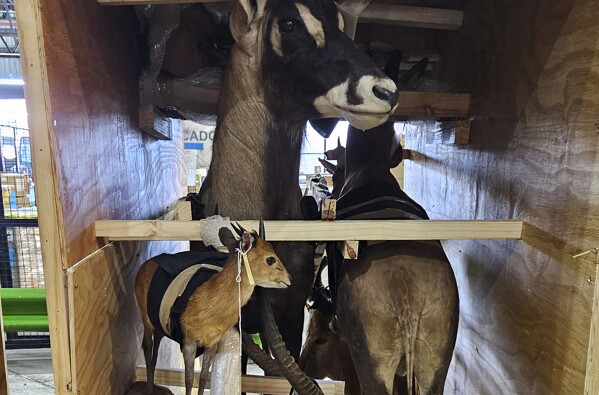
International law enforcement agencies have made a major breakthrough in the fight against wildlife crime, seizing more than 30,000 live animals during a recently concluded global operation. The coordinated crackdown targeted illegal trade networks that traffic exotic species across continents, underscoring both the scale of wildlife crime and the importance of international cooperation in combating it.
Global operation cracks down on illegal wildlife trade
The multi-national operation was led by INTERPOL, the international police organisation, with support from dozens of countries and partner agencies. Over a period of weeks, authorities intercepted shipments, raided trafficking hubs, and arrested suspected smugglers. In the course of these actions, more than 30,000 live animals — many of them endangered — were seized and placed into protective custody.
Officials described the haul as one of the largest ever recorded in an international wildlife crime operation. The animals included a wide range of species destined for the illicit pet trade, zoos, private collectors, and unregulated commercial markets.
Species rescued and risks they faced
The seized animals represented a staggering biodiversity of life, from reptiles and primates to birds and small mammals. Many were found in cramped, inhumane conditions, with inadequate food, water, or shelter. Experts warned that if they had reached their destinations, a large number would likely have died due to stress, disease, or mistreatment.
Wildlife specialists have emphasised that live animal trafficking not only threatens species survival but also facilitates the spread of zoonotic diseases and undermines regional ecosystems. The illegal trade bypasses regulatory protections, making it difficult for authorities to monitor the treatment, transport, or origin of the animals.
Networks dismantled, suspects detained
Authorities reported that several suspected wildlife trafficking networks were dismantled as a result of the operation. Multiple arrests were made across different regions, including smugglers, transport facilitators, and illegal traders. Prosecutors are preparing charges that could include wildlife violations, smuggling, corruption, and organised crime conspiracy.
Officials highlighted the transnational nature of wildlife crime, noting that smugglers exploit weak regulations, porous borders, and gaps in enforcement to move animals from source countries to markets where demand is highest.
International cooperation key to success
The crackdown demonstrated the power of coordinated action among law enforcement agencies, customs officials, wildlife authorities, and conservation organisations. INTERPOL facilitated real-time intelligence sharing, operational planning, and tactical coordination among participating nations.
Several governments praised the efforts as a model for future operations, stressing that wildlife criminals operate in sophisticated networks that require equally sophisticated responses.
In addition to seizures and arrests, the operation included training workshops, public awareness campaigns, and strategic meetings aimed at strengthening wildlife policing capacity in regions most affected by trafficking.
Conservation groups applaud rescue efforts
Conservationists hailed the operation as a significant win for biodiversity and animal welfare. They emphasised that rescuing the animals was only the first step. Many of the seized creatures will require medical care, quarantine procedures, rehabilitation, and, where possible, relocation to sanctuaries or protected habitats.
Experts also noted that long-term deterrence will require stronger laws, harsher penalties for offenders, better border controls, and sustained funding for conservation efforts.
A wider threat: wildlife crime and global security
Illegal wildlife trafficking is more than an animal welfare issue. Law enforcement officials have increasingly linked it to other forms of organised crime, including drug trafficking, arms smuggling, and corruption. By undermining legal trade and exploiting vulnerable regions, wildlife crime can contribute to instability and economic harm.
Furthermore, the movement of live animals across borders poses public health risks by enabling the spread of diseases that can jump from animals to humans. This reality has led health authorities to call for tighter controls and better monitoring of wildlife transport.
What happens next?
Following the operation, authorities plan to pursue legal action against those arrested and to expand cooperation with additional countries. There is also a push to integrate wildlife crime more fully into international crime-fighting agendas, recognising that the trade in endangered species intersects with broader security concerns.
In the coming months, governments and partner organisations will likely focus on:
- Strengthening legislative frameworks to increase penalties for wildlife trafficking
- Expanding training and capacity building for enforcement agencies
- Improving data systems for tracking and monitoring animal movements
- Raising public awareness about the impacts of wildlife crime and demand for illegal animals
Conclusion: a major milestone with ongoing challenges
The INTERPOL-led operation that seized more than 30,000 live animals marks a major milestone in the global struggle against wildlife trafficking. It highlights both the scale of the illegal trade and the potential of coordinated international action to disrupt it.
While the rescue of tens of thousands of animals represents a significant victory, many challenges remain. Wildlife crime persists as a billion-dollar underground industry, driven by demand and enabled by weak enforcement. Continued vigilance, stronger laws, and international solidarity will be essential to protect endangered species, preserve ecosystems, and uphold the rule of law.
Today’s success demonstrates what can be achieved when nations work together — but it also reinforces the fact that the fight against wildlife crime is far from over.