

How Mansa Musa of Mali Became the Richest Man the World Has Ever Known
- History Mali
OurDailyAfrica Reporter
- 0
- 12 minutes read
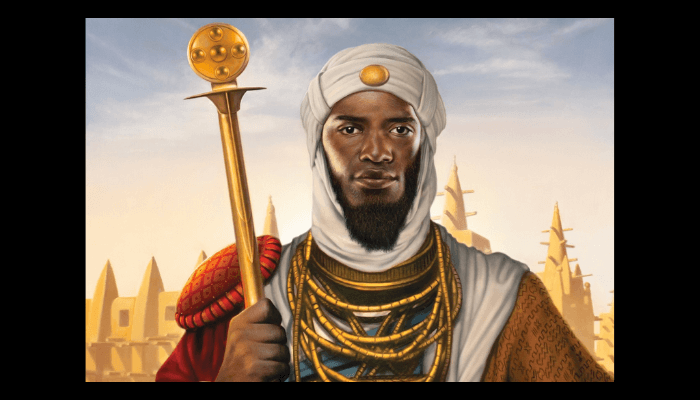
Here is a storytelling-style narrative about the world’s richest man in history—Mansa Musa of Mali—written like a legend passed down through time.
The Man Whose Wealth Bent the World
Long before skyscrapers pierced the clouds or banks ruled nations, there lived a king whose name turned gold into dust and dust into legend. His name was Mansa Musa, ruler of the Mali Empire, and history remembers him as the richest man the world has ever known.
He was born in the late 13th century, in a land where the sun rose over endless savannahs and rivers carried secrets older than memory. Mali was already prosperous, but when Musa ascended the throne in 1312, the empire did not just grow—it overflowed.
Gold flowed through Mali like water. Beneath its soil lay vast reserves of the precious metal, and Musa controlled them all. Salt mines, trade routes, fertile farmlands, and bustling cities answered to his command. Yet, unlike many kings drunk on power, Mansa Musa ruled with calm wisdom and quiet confidence.
But the world did not truly understand his wealth until the year 1324, when he decided to perform the sacred pilgrimage to Mecca.
What followed was not a journey—it was an event that shook economies.
Mansa Musa set out with a caravan so vast that it stretched beyond the horizon. Thousands of soldiers marched in disciplined silence. Servants followed, dressed in fine silk. Camels—hundreds of them—carried sacks of pure gold, each weighing more than a man could lift. Some chroniclers claimed there were 60,000 people in his entourage.
As the caravan passed through North Africa and into Cairo, the earth itself seemed to glitter.
Musa gave gold freely. To the poor. To traders. To scholars. To rulers. He built mosques, funded schools, and rewarded generosity with generosity. In Cairo alone, he distributed so much gold that its value collapsed. Prices soared. Gold lost its worth. Economies trembled.
Historians would later say that Mansa Musa accidentally caused inflation that lasted over a decade.
Such was the weight of his wealth.
Yet, Musa was more than gold.
He was a scholar-king who valued knowledge as much as riches. On his return from Mecca, he brought architects, poets, doctors, and teachers back to Mali. He transformed Timbuktu into a center of learning that rivaled any city in Europe or the Middle East. Libraries rose, universities flourished, and manuscripts filled with science, law, astronomy, and philosophy multiplied.
Under his reign, Mali became a beacon of civilization.
But power, even golden power, does not last forever.
After Mansa Musa’s death around 1337, the empire slowly weakened. Trade routes shifted. Rivals rose. Time, the one force richer than any man, claimed its due. Mali faded from global dominance, and Europe marched into its own age of conquest.
Yet Musa’s legend never died.
Centuries later, when historians tried to calculate his wealth, numbers failed them. Estimates ran into the *hundreds of billions of dollars, but even that felt inadequate. His riches were so vast that they could not be measured by modern standards. Unlike today’s billionaires, whose wealth lives on screens and stock markets, Musa owned *real assets—land, gold, people, trade, and influence.
He did not just possess wealth.
He was wealth.
Today, his image appears on ancient maps, seated on a throne of gold, holding a nugget in his hand, a silent reminder that long before modern finance, an African king once ruled the richest empire the world had ever known.
And so the story endures.
In a world obsessed with numbers, Mansa Musa remains the man whose fortune could not be counted—only remembered.
Here is a storytelling-style narrative about the world’s richest man in history—Mansa Musa of Mali—written like a legend passed down through time.
The Man Whose Wealth Bent the World
Long before skyscrapers pierced the clouds or banks ruled nations, there lived a king whose name turned gold into dust and dust into legend. His name was Mansa Musa, ruler of the Mali Empire, and history remembers him as the richest man the world has ever known.
He was born in the late 13th century, in a land where the sun rose over endless savannahs and rivers carried secrets older than memory. Mali was already prosperous, but when Musa ascended the throne in 1312, the empire did not just grow—it overflowed.
Gold flowed through Mali like water. Beneath its soil lay vast reserves of the precious metal, and Musa controlled them all. Salt mines, trade routes, fertile farmlands, and bustling cities answered to his command. Yet, unlike many kings drunk on power, Mansa Musa ruled with calm wisdom and quiet confidence.
But the world did not truly understand his wealth until the year 1324, when he decided to perform the sacred pilgrimage to Mecca.
What followed was not a journey—it was an event that shook economies.
Mansa Musa set out with a caravan so vast that it stretched beyond the horizon. Thousands of soldiers marched in disciplined silence. Servants followed, dressed in fine silk. Camels—hundreds of them—carried sacks of pure gold, each weighing more than a man could lift. Some chroniclers claimed there were 60,000 people in his entourage.
As the caravan passed through North Africa and into Cairo, the earth itself seemed to glitter.
Musa gave gold freely. To the poor. To traders. To scholars. To rulers. He built mosques, funded schools, and rewarded generosity with generosity. In Cairo alone, he distributed so much gold that its value collapsed. Prices soared. Gold lost its worth. Economies trembled.
Historians would later say that Mansa Musa accidentally caused inflation that lasted over a decade.
Such was the weight of his wealth.
Yet, Musa was more than gold.
He was a scholar-king who valued knowledge as much as riches. On his return from Mecca, he brought architects, poets, doctors, and teachers back to Mali. He transformed Timbuktu into a center of learning that rivaled any city in Europe or the Middle East. Libraries rose, universities flourished, and manuscripts filled with science, law, astronomy, and philosophy multiplied.
Under his reign, Mali became a beacon of civilization.
But power, even golden power, does not last forever.
After Mansa Musa’s death around 1337, the empire slowly weakened. Trade routes shifted. Rivals rose. Time, the one force richer than any man, claimed its due. Mali faded from global dominance, and Europe marched into its own age of conquest.
Yet Musa’s legend never died.
Centuries later, when historians tried to calculate his wealth, numbers failed them. Estimates ran into the hundreds of billions of dollars, but even that felt inadequate. His riches were so vast that they could not be measured by modern standards. Unlike today’s billionaires, whose wealth lives on screens and stock markets, Musa owned *real assets—land, gold, people, trade, and influence.
He did not just possess wealth.
He was wealth.
Today, his image appears on ancient maps, seated on a throne of gold, holding a nugget in his hand, a silent reminder that long before modern finance, an African king once ruled the richest empire the world had ever known.
And so the story endures.
In a world obsessed with numbers, Mansa Musa remains the man whose fortune could not be counted—only remembered.