
Guinea Opposition Reacts to Dissolution of 40 Political Parties
- Guinea bissau News
OurDailyAfrica Reporter
- 0
- 14 minutes read
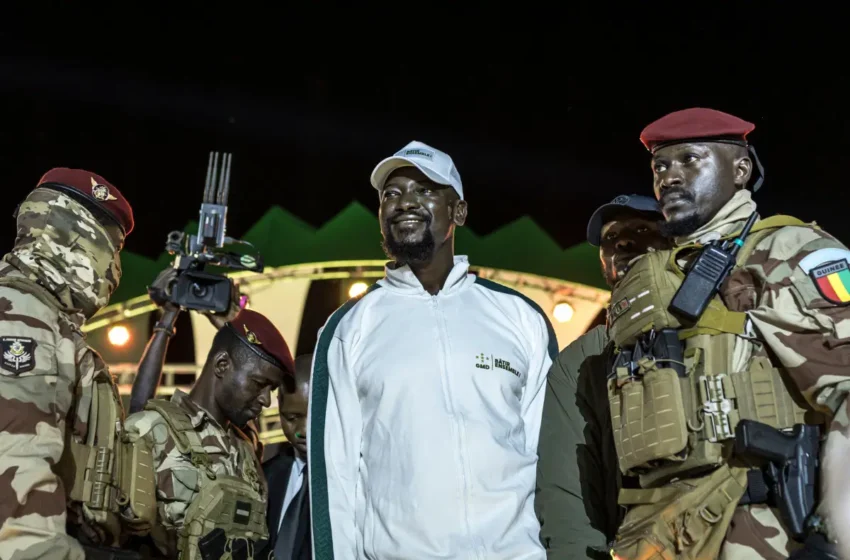
Political tensions are rising in Guinea after authorities dissolved dozens of political organizations. The government recently ordered the dissolution of 40 political parties, a decision that has sparked strong reactions from opposition leaders across the country.
Many opposition figures believe the move threatens democratic participation. They also argue that the decision could limit political competition ahead of upcoming elections.
Government officials, however, insist that the action followed a legal review of political parties operating in Guinea. According to authorities, several organizations failed to comply with national regulations governing political activity.
Despite this explanation, the controversy continues to grow as political leaders and civil society groups debate the implications for Guinea’s democratic future.
Guinea Opposition Reacts to Dissolution of 40 Political Parties
Opposition leaders quickly criticized the government’s decision. They argue that dissolving dozens of political organizations weakens democratic institutions.
Many opposition figures believe the action creates an unfair political environment. They say it could reduce the number of parties allowed to participate in national politics.
Some leaders also claim the decision could benefit those currently in power. According to them, fewer political parties could limit competition in future elections.
Because of these concerns, opposition groups have called for stronger political dialogue. They want the government to reconsider the dissolution and allow affected parties to continue operating.
For many critics, political diversity remains essential for democratic governance.
Government Explains the Dissolution of Political Parties
Government authorities insist that the dissolution of 40 political parties followed an official review process.
Officials stated that several political organizations failed to meet legal requirements. These rules include administrative obligations, operational activity, and organizational transparency.
According to authorities, political parties must remain active and maintain proper documentation to operate legally.
During the review, officials discovered that many organizations did not meet these standards.
Therefore, the government decided to dissolve those parties in order to enforce existing laws.
Authorities argue that this step strengthens the political system. They claim that maintaining active and transparent political organizations improves democratic accountability.
Nevertheless, opposition leaders remain unconvinced.
Political Background Behind the Decision
Guinea’s recent political history provides important context for the controversy.
In 2021, the country experienced a major political shift after a military coup removed former president Alpha Condé from power.
The coup brought Colonel Mamadi Doumbouya to leadership. Following the takeover, the new administration promised to guide the country through a transition toward democratic governance.
During the transition period, authorities introduced several political reforms. These reforms included plans for constitutional changes and new elections.
However, tensions between the government and opposition groups have continued throughout the transition process.
Because of this background, the dissolution of political parties has raised additional concerns about the country’s democratic direction.
Elections Increase Political Sensitivity
The timing of the government’s decision has intensified the debate.
Guinea is preparing for upcoming elections that could shape the country’s political future. These elections represent an important milestone in the transition toward civilian rule.
For this reason, opposition leaders worry that dissolving political parties may influence the electoral environment.
They believe that fewer political organizations could reduce political competition.
Supporters of the government reject this argument. They insist that only legally compliant parties should participate in the political process.
According to officials, enforcing regulations ensures that elections remain credible and organized.
Despite these assurances, the issue continues to generate strong reactions across the political spectrum.
Opposition Calls for Greater Political Freedom
Several opposition figures have called for broader political freedoms in response to the dissolution.
They argue that democratic societies depend on active political participation. In their view, citizens should have the freedom to support different political organizations.
Opposition activists also believe that multiple parties strengthen accountability within government institutions.
When several political groups compete for power, leaders must respond to public concerns more effectively.
Because of this belief, critics warn that limiting the number of political parties may weaken democratic oversight.
Some activists have encouraged peaceful political mobilization. They hope to raise awareness about the importance of protecting political rights.
Civil Society Concerns About Democratic Space
Civil society organizations have also joined the discussion.
Many advocacy groups emphasize the importance of maintaining open political space. They argue that democratic stability requires strong institutions and active political engagement.
Observers worry that restrictions on political parties could reduce opportunities for public debate.
Open political competition allows citizens to hear different perspectives on national issues. Without diverse political voices, policy discussions may become limited.
Therefore, civil society groups encourage continued dialogue between the government and opposition leaders.
Constructive dialogue, they say, remains the best path toward national stability.
Regional Implications in West Africa
Political developments in Guinea also attract attention across West Africa.
In recent years, several countries in the region have experienced political transitions and governance challenges.
Because of these developments, regional observers closely monitor changes in Guinea’s political system.
Stable democratic institutions remain essential for long-term development across the region.
International partners often encourage political dialogue and democratic reforms.
They emphasize the importance of transparent governance and inclusive political participation.
Guinea’s political transition therefore carries significance beyond its national borders.
Possible Outcomes for Guinea’s Political Future
The dissolution of 40 political parties may reshape Guinea’s political landscape in several ways.
First, the number of active political organizations could decline significantly. This change might simplify the political system but also reduce diversity.
Second, the decision could increase political tension between government supporters and opposition groups.
Political disagreements may intensify as elections approach.
Third, the controversy may influence public trust in the political process.
Citizens often expect elections to provide fair opportunities for political participation.
If voters believe the political environment limits competition, confidence in democratic institutions may decline.
However, the government insists that enforcing legal standards will ultimately strengthen the political system.
According to officials, clear rules help maintain order and accountability among political organizations.
The Importance of Political Dialogue
Many experts believe that open dialogue could help ease current tensions.
Political transitions often involve disagreements between different groups. However, constructive discussion can help build consensus.
Dialogue allows political actors to address concerns and negotiate solutions.
For Guinea, maintaining peaceful political engagement remains essential.
Strong institutions and inclusive governance will play an important role in the country’s future stability.
Both government leaders and opposition figures hold responsibility for promoting respectful political debate.
Conclusion
The dissolution of 40 political parties in Guinea has sparked strong reactions from opposition leaders and civil society groups.
Critics argue that the decision threatens political diversity and democratic participation. Meanwhile, the government insists that it simply enforced legal regulations governing political organizations.
As elections approach, the issue remains highly sensitive.
The coming months will determine how Guinea balances political reform with democratic inclusiveness.
For many observers, the country’s transition represents an important test of its commitment to democratic governance.
Ultimately, Guinea’s political future will depend on dialogue, transparency, and the willingness of all actors to support stable democratic institutions.