
Guinea‑Bissau normalcy returns as restrictive measures ease
- Health
OurDailyAfrica Reporter
- 0
- 7 minutes read
Normalcy slowly returns to Guinea-Bissau as restrictive measures ease
Guinea‑Bissau normalcy returns amid easing of restrictions
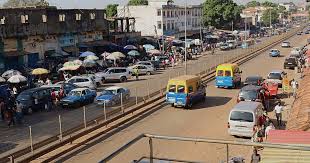
Life in Bissau, the capital of Guinea‑Bissau, has begun returning to normal as restrictive measures imposed after recent political upheaval were gradually lifted. Citizens witnessed streets reopening, transport resuming, and markets beginning to function again. The easing of restrictions offered a sense of relief for residents who had endured days of curfews, closed institutions, and limited access to basic services.
Prior to this gradual reopening, the city experienced a near‑total shutdown. Public and private transport was suspended, shops remained closed, and markets were empty. The recent easing signals the government’s attempt to restore order, reassure the population, and revive the local economy while ensuring security in a fragile environment.
Transport and markets resume operations
With curfews lifted and travel restrictions eased, taxis, buses, and motorcycle taxis returned to the streets, providing much‑needed mobility for residents. Marketplaces began to reopen, allowing traders to resume business, although activity remained cautious as citizens tested the environment for safety.
Fuel stations reopened, enabling vehicles to operate and supply chains to restart. Even though commerce was slow to pick up, this partial return of everyday activities offered hope to citizens reliant on daily earnings and local trade.
Political and social context
The return to normalcy comes after a period of intense political instability. A disputed election followed by a military takeover had resulted in curfews, closures of public institutions, and widespread uncertainty. Many citizens were unable to access essential services, and businesses faced severe disruption.
The recent easing represents a cautious step toward restoring normal life while the country navigates its transitional period. Although movement and commerce resumed, the public remained wary, aware that the political situation is still unstable.
Public reaction and sentiment
Citizens responded to the reopening with cautious optimism. Traders and workers welcomed the return of commerce and mobility but remained alert for any sudden changes. Parents and families hoped for the reopening of schools and healthcare centers, signaling a partial return of essential services.
The overall mood combined relief with caution. While daily life had resumed, residents were aware that broader political and institutional challenges remained unresolved.
Economic and structural implications
The resumption of trade and transport in Bissau offers a temporary economic lifeline. Markets and supply chains can function again, enabling residents to earn income and access goods. The reopening is critical to preventing further economic deterioration in a nation already facing significant challenges.
However, structural issues remain. Many public institutions remain partially closed, and government offices operate with limited staff. Educational disruptions continue, and political uncertainty casts a shadow over long-term stability.
Remaining challenges
Despite these positive signs, Guinea‑Bissau remains vulnerable. The military takeover that prompted restrictions has left political legitimacy in question, and public trust in governance is fragile. Regional and international observers have urged a swift return to constitutional order, highlighting the importance of transparent political processes.
Security and stability are still concerns, and the population’s confidence in sustained normalcy will depend on tangible progress in governance, institution building, and law enforcement.
Looking ahead
The coming weeks will determine whether Guinea‑Bissau can consolidate these early signs of normalcy. Sustained reopening of commerce, transport, and services is essential, but lasting stability requires political reform and transparent governance. Citizens will be closely observing the government’s next moves, assessing whether the current calm can translate into long-term recovery.
The gradual return of normal life in Bissau offers hope, but the road ahead remains challenging. Ensuring public trust, rebuilding institutions, and addressing socio-economic needs are critical for lasting peace and development.
Conclusion
Guinea‑Bissau has taken important steps toward normalcy as restrictive measures are eased. Markets reopened, transport resumed, and everyday life cautiously resumed in Bissau.
However, the country’s deeper political and institutional fragility remains. The future depends on whether these early signs of normalcy can evolve into sustainable recovery. Citizens, businesses, and institutions must navigate uncertainty carefully while the government works to restore stability, governance, and public trust.