
Ghana Pushes UN Resolution to Recognise Slave Trade as Crime Against Humanity
- Ghana
OurDailyAfrica Reporter
- 0
- 9 minutes read
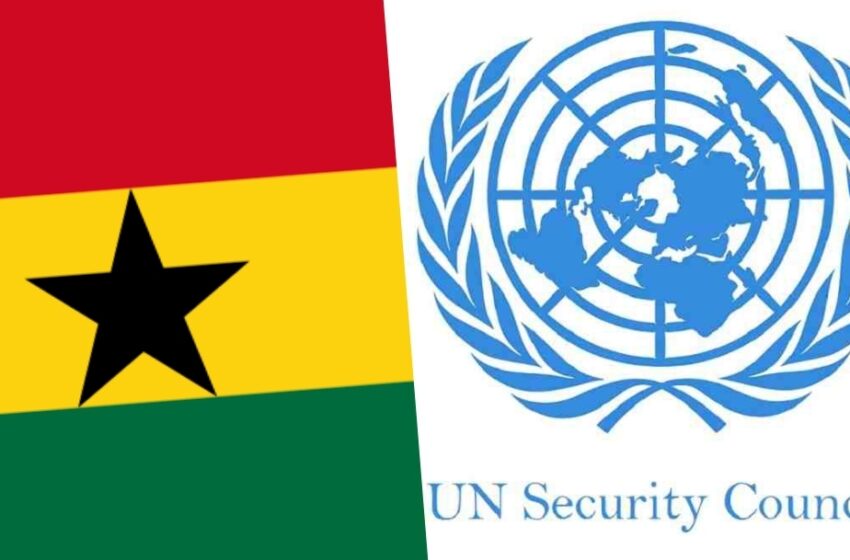
Ghana has emerged as a diplomatic leader in the global push to formally recognise the transatlantic slave trade as a crime against humanity. The country’s initiative at the United Nations signals a historic attempt to confront one of the darkest chapters in human history and seek justice for generations affected by forced displacement, exploitation, and systemic oppression.
President John Dramani Mahama announced that Ghana will table a resolution at the UN General Assembly, calling on member states to acknowledge the slave trade as a grave crime. The timing coincides with international observances marking the remembrance of the victims of slavery, underlining the symbolic and moral importance of the effort. By presenting this resolution, Ghana aims not only to secure formal recognition but also to initiate a global conversation about historical accountability, reparations, and the enduring consequences of slavery.
Ghana Leads Global Effort for Historical Justice
The Ghana pushes UN resolution to recognise slave trade as crime against humanity initiative seeks to elevate the transatlantic slave trade from a historical tragedy to a formally recognised international crime. While the brutality of slavery is well-documented, its explicit recognition as a crime against humanity in global legal frameworks has remained incomplete. Ghana’s resolution proposes that the global community acknowledge the organized and systemic nature of the trade and its long-term social, economic, and cultural impacts.
Support for the initiative has grown steadily, with nations across Africa, the Caribbean, and Latin America expressing solidarity. Brazil, for instance, has officially backed Ghana’s proposal, reflecting a shared commitment to confronting the historical roots of slavery and its persistent influence on contemporary societies. The resolution has also attracted attention from human rights organizations and scholars who argue that formal recognition is a critical step toward justice and reconciliation.
The Legacy of the Transatlantic Slave Trade
Between the 16th and 19th centuries, the transatlantic slave trade forcibly transported millions of Africans across the Atlantic under brutal and inhumane conditions. Families were torn apart, entire communities were destabilized, and African societies were subjected to long-lasting economic and cultural disruptions. Scholars estimate that the forced displacement and deaths of enslaved Africans have left generational scars that continue to affect both the African continent and its diaspora.
By seeking recognition at the UN, Ghana is pushing the world to acknowledge that the slave trade was not only a moral atrocity but also a systematic crime with enduring consequences. Formal classification as a crime against humanity would provide a stronger foundation for global dialogue on reparations, historical education, and policy reforms aimed at addressing the structural inequalities rooted in this history.
Legal and Moral Implications
The resolution carries both legal and moral weight. Legally, recognition as a crime against humanity could influence reparative frameworks, including discussions on compensation, development assistance, and institutional reforms. Morally, it acknowledges the suffering endured by millions and reaffirms the global community’s responsibility to confront historical injustices honestly.
However, some governments have expressed caution, citing potential legal implications and concerns about precedent. Despite these challenges, Ghana remains steadfast in framing the resolution as a moral and ethical imperative rather than a legal threat. Advocates emphasize that recognition is essential for education, reconciliation, and the promotion of human rights globally.
Regional Leadership and International Influence
Ghana’s leadership highlights Africa’s increasing role in shaping international norms and advocating for historical accountability. The country has previously led initiatives to strengthen ties with the African diaspora, promote cultural heritage, and address historical injustices. By bringing the resolution to the UN, Ghana positions itself at the forefront of global conversations on justice, history, and reparatory measures.
The initiative has also sparked discussions among member states about how nations confront shared histories of exploitation and colonization. Countries with histories tied to the slave trade are being called upon to acknowledge their roles, while those directly impacted gain a platform to voice the long-term consequences. The diplomatic negotiations surrounding the resolution illustrate the complexity and significance of collective acknowledgment on a global scale.
Education and Public Awareness
Formal recognition at the United Nations could also reshape education and public awareness about the slave trade. Advocates argue that integrating this recognition into international frameworks would encourage educational institutions to teach the history of slavery comprehensively, emphasizing its systemic nature and enduring impact.
Greater awareness can help younger generations understand the historical roots of inequality, discrimination, and economic disparity. This, in turn, could foster empathy, social responsibility, and commitment to human rights, bridging the gap between past injustices and contemporary global challenges.
Challenges and Opportunities
While support for the resolution is growing, the initiative faces significant diplomatic and political challenges. Some countries remain hesitant, concerned about the legal and financial implications of formally classifying the slave trade as a crime against humanity. Others question how such recognition could influence future claims or reparations discussions.
Nevertheless, Ghana and its allies continue to emphasize that the resolution is primarily about moral accountability and historical truth. They argue that acknowledgment is a critical step in healing historical wounds and fostering international solidarity. Moreover, the resolution could pave the way for cooperative programs aimed at education, cultural preservation, and reparative initiatives.
Impact on Reparations and Policy
One of the most consequential outcomes of recognition could be the opening of structured reparations and policy discussions. While financial compensation may not be the immediate focus, recognition at the UN would provide a legal and moral basis for dialogue on restitution, development projects, and institutional reforms.
The resolution could also influence international organizations, governments, and civil society to invest in programs that address the long-term social and economic impact of slavery. For affected communities, this recognition represents validation of their historical experiences and acknowledgment of the ongoing inequalities rooted in forced displacement and exploitation.
Conclusion
The Ghana pushes UN resolution to recognise slave trade as crime against humanity initiative marks a historic moment in international diplomacy, justice, and human rights advocacy. By urging global acknowledgment of the transatlantic slave trade as a crime against humanity, Ghana is not only confronting historical injustices but also creating a platform for education, reconciliation, and reparatory dialogue.
While challenges remain, including political resistance and complex legal implications, the initiative demonstrates a commitment to moral leadership and historical accountability. Its success could redefine how the world addresses collective historical wrongs and promote a more equitable global understanding of justice.
Ghana’s leadership sends a clear message: acknowledging history is a vital step toward shaping a future grounded in fairness, recognition, and respect for human dignity. The resolution is poised to ignite global conversation, elevate historical awareness, and provide a framework for meaningful engagement with the enduring legacy of slavery.