

Ghana Settles $1.47 Billion Energy Sector Debt to Restore Power Stability
- Ghana News
OurDailyAfrica Reporter
- 0
- 7 minutes read
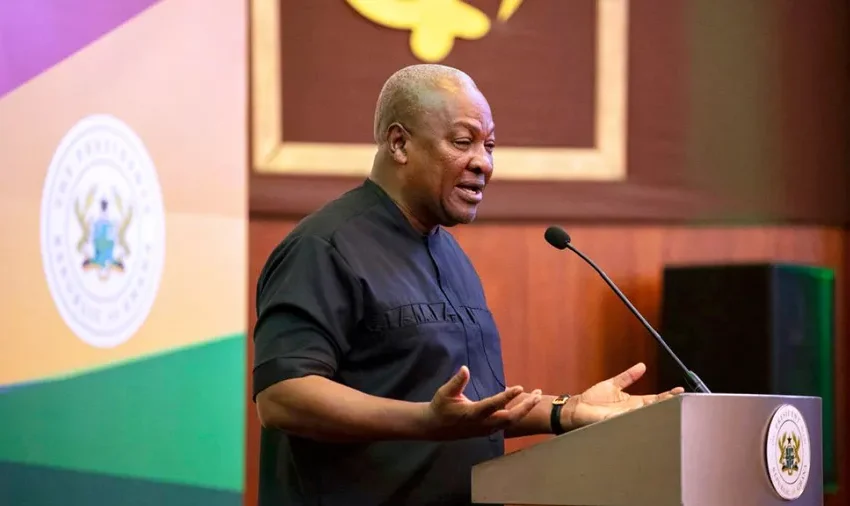
Ghana settles energy sector debt to stabilize electricity supply
Ghana has settled $1.47 billion in outstanding energy sector debt, a major step the government says will restore power stability and strengthen confidence in the country’s electricity system. The payment addresses long-standing financial obligations that had weakened energy production and threatened reliable power supply.
Officials described the move as a strategic reset aimed at fixing structural problems that accumulated over several years. By clearing these arrears, Ghana hopes to prevent future power disruptions and improve operational efficiency across the sector.
Clearing legacy debts and restoring confidence
According to the Ministry of Finance, the debt settlement covered multiple obligations owed to energy partners and service providers. A significant portion of the payment was used to restore an important international risk guarantee that had previously been exhausted.
This guarantee protects major private investments in Ghana’s gas and power infrastructure. Restoring it reassures investors and strengthens Ghana’s credibility with international financial institutions.
The government said rebuilding trust was essential for sustaining long-term energy stability.
Settlement of gas supply invoices
Ghana also cleared all outstanding gas supply invoices linked to electricity generation. These payments covered gas used by power plants to produce electricity for households and businesses.
For years, unpaid gas bills had created supply uncertainty. In response, suppliers reduced deliveries or demanded advance payments. With the arrears now cleared, officials expect smoother operations and improved power generation.
This development is expected to reduce the risk of unplanned outages.
Payments to independent power producers
In addition, the government settled large debts owed to independent power producers. These companies play a critical role in Ghana’s electricity supply by supplementing state-owned generation.
Delayed payments had strained relationships and discouraged further investment. By settling these obligations, Ghana aims to rebuild partnerships and ensure reliable power production.
Officials say this step will also help renegotiate future contracts under fairer and more sustainable terms.
Resetting the energy sector’s finances
The government described the debt settlement as a complete reset of the energy sector’s financial position. It said new measures have been put in place to prevent a return to unsustainable debt levels.
These measures include tighter budget controls, improved revenue collection, and better coordination between energy institutions. Authorities also plan to increase domestic gas production to reduce reliance on costly imports.
Together, these reforms are expected to strengthen the sector’s financial health.
Impact on the broader economy
Energy reliability remains vital to Ghana’s economic growth. Power shortages in the past disrupted manufacturing, commerce, and essential services.
By clearing energy debts, the government hopes to create a stable environment for businesses. Improved power supply can boost productivity, attract investment, and support job creation.
Economists say stable electricity is a key foundation for long-term development.
Government commitment and accountability
The settlement was completed during the current administration’s first year in office. Officials say it demonstrates a strong commitment to addressing inherited financial challenges.
The Ministry of Finance emphasized that the government will not allow new arrears to accumulate. Instead, it plans to enforce strict payment schedules and transparent financial management.
This approach aims to protect taxpayers and ensure value for money.
Future outlook for Ghana’s power sector
With the debt cleared, Ghana is now focused on strengthening energy security and expanding capacity. The government plans to prioritize renewable energy, efficiency improvements, and infrastructure upgrades.
Officials believe the sector is now better positioned to support economic growth and withstand future shocks. However, they acknowledge that continued discipline will be required to maintain progress.
Conclusion
Ghana’s decision to settle $1.47 billion in energy sector debt marks a turning point for the country’s power system. By clearing long-standing arrears, restoring investor confidence, and implementing reforms, the government aims to ensure reliable electricity for the future.
The success of this effort will depend on sustained financial discipline and effective sector management.