
Gabon in Talks With Meta and TikTok Over Social Media Ban
- Gabon News
OurDailyAfrica Reporter
- 0
- 13 minutes read
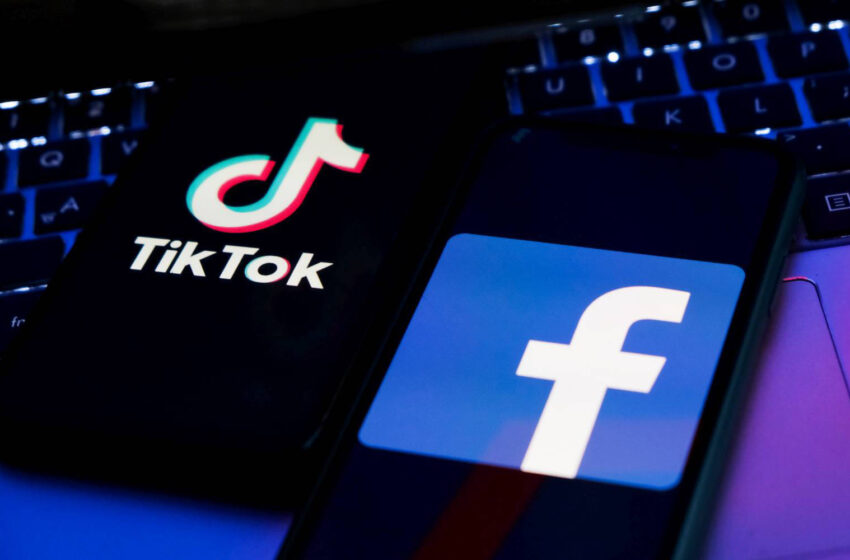
Gabon in talks with Meta and TikTok over social media ban as authorities seek a solution following the nationwide suspension of major social media platforms. Government officials confirmed that negotiations are underway with the technology companies after regulators restricted access earlier in February.
The suspension affected several widely used platforms and disrupted communication across the country. Authorities introduced the measure after raising concerns about harmful online content and threats to social stability. Officials insisted that the action aims to protect citizens and maintain public order.
Although the shutdown generated criticism from opposition groups and civil society organisations, the government maintains that the restrictions remain temporary. Officials say access will be restored once suitable safeguards and regulatory measures are agreed upon.
The outcome of negotiations with technology companies will likely determine when services return fully.
Why Gabon in Talks With Meta and TikTok Over Social Media Ban Matters
The situation in which Gabon in talks with Meta and TikTok over social media ban highlights the growing debate about digital regulation in Africa. Governments increasingly seek stronger oversight of social media platforms operating within their borders.
Authorities argue that social media companies must take responsibility for content shared on their platforms. Officials believe that stronger moderation will reduce harmful material and improve public safety.
Government representatives stated that regulators had previously warned technology companies about inappropriate content. According to officials, companies failed to respond effectively to these concerns.
As a result, authorities decided to suspend access while negotiations continue.
The talks aim to establish clearer rules for social media operations. Officials want companies to strengthen monitoring systems and remove harmful content more quickly.
Technology companies have shown willingness to cooperate with regulators. Representatives expressed readiness to support a safe and responsible digital environment.
If negotiations succeed, social media services could resume under new conditions.
Reasons Behind the Social Media Suspension
Authorities suspended social media platforms after concluding that online content threatened national stability. Regulators expressed concern about misinformation and harmful material spreading through digital networks.
Officials identified several categories of problematic content, including:
- False information
- Defamatory messages
- Violent content
- Pornographic material
- Cyberbullying
- Unauthorized sharing of personal information
Authorities argued that such content could damage social harmony and create unrest.
Consequently, regulators ordered an immediate suspension of several social media services. The measure affected millions of users across the country.
Officials emphasised that the action does not represent a permanent ban. Instead, authorities described the suspension as a temporary step toward stronger digital regulation.
The government insists that public safety remains the main priority.
Public Reaction to the Ban
The development in which Gabon in talks with Meta and TikTok over social media ban has generated strong reactions among citizens. Many users expressed frustration about losing access to communication platforms.
Opposition leaders criticised the suspension and described it as excessive. Some groups argued that the decision restricts freedom of expression and limits access to information.
Civil society organisations also raised concerns about economic consequences. Many businesses depend on social media platforms for advertising and customer communication.
Small business owners reported declining sales after the suspension began. Entrepreneurs who operate online experienced significant disruptions.
Freelancers and digital workers also felt the impact. Many rely on social media to find clients and maintain professional networks.
Despite these concerns, government officials continue to defend the decision.
Authorities argue that stability and security must come first.
Continued Access Through Alternative Methods
Despite the suspension, many citizens continue to access social media through alternative methods.
Virtual private networks have become increasingly popular among users seeking to bypass restrictions. These tools allow individuals to connect to blocked platforms through external servers.
The rise in alternative access methods shows how important social media remains for daily communication.
However, authorities continue to enforce the official restrictions. Officials have not announced a clear timeline for restoring full access.
As negotiations continue, users remain uncertain about the future of social media services.
Government Position on Digital Regulation
Authorities insist that negotiations with technology companies aim to improve digital governance. Officials believe stronger regulations will protect citizens from harmful content.
Government representatives emphasise that freedom of expression must operate within legal limits. They argue that online platforms must respect national laws and cultural values.
Officials also say the suspension provides time to review digital policies. Regulators want to develop a framework that balances freedom and responsibility.
Therefore, negotiations with technology companies remain essential.
Authorities believe that cooperation with social media companies will produce long-term solutions.
Improved regulation could reduce harmful content while maintaining communication access.
Broader Context of Social Media Regulation
The situation in which Gabon in talks with Meta and TikTok over social media ban reflects a wider international trend. Governments around the world increasingly seek stronger control over digital platforms.
Officials worry about misinformation and online abuse. Authorities also fear that social media can intensify political tensions and social divisions.
In Gabon, the suspension occurred during a period of social pressure and public debate. Authorities argued that online content increased tensions and created risks to stability.
Consequently, regulators decided to intervene and restrict access temporarily.
This approach reflects similar policies adopted in several countries facing digital governance challenges.
Future Prospects
Negotiations between Gabon and technology companies will determine the future of social media access. Authorities hope that agreements will establish safer online environments.
If discussions succeed, regulators may restore social media services under new conditions.
Possible changes could include:
- Stronger content moderation
- Faster removal of harmful posts
- Improved cooperation with regulators
- Better protection of personal data
These measures could shape the country’s digital environment for years to come.
However, disagreements could delay the restoration of services.
Citizens and businesses continue to watch developments closely.
Conclusion
The situation in which Gabon in talks with Meta and TikTok over social media ban shows the challenges governments face in regulating digital platforms. Authorities aim to protect national stability while maintaining communication access.
Although the suspension generated criticism, officials insist that the measure remains temporary.
Negotiations with Meta and TikTok will determine how social media operates in Gabon in the future.
The outcome may influence digital regulation across Africa.
Ultimately, cooperation between governments and technology companies will remain essential for building safe and accessible online environments.