
Food Costs in Algeria Ramadan Raise Concerns Among Families
- Algeria News
OurDailyAfrica Reporter
- 0
- 11 minutes read
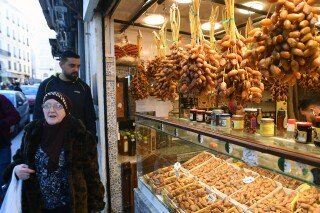
As the holy month approaches, food costs in Algeria Ramadan preparations are causing growing anxiety among households across the country. While Ramadan traditionally brings families together around shared meals, many Algerians now fear that rising prices will limit their ability to observe the season properly.
In markets across the country, shoppers carefully compare prices before making purchases. Many leave with fewer items than planned because the cost of basic food products continues to increase.
Although Ramadan remains a deeply important religious period, economic pressure has changed how families prepare for the month.
For many citizens, balancing tradition with affordability has become increasingly difficult.
Food Costs in Algeria Ramadan Affect Household Budgets
The rise in food costs in Algeria Ramadan shopping has forced many households to adjust their spending plans. Families now prioritize essential items while reducing purchases of non-essential foods.
Many shoppers say they struggle to afford ingredients for traditional meals. Meat, vegetables, cooking oil, and grains have all become more expensive in recent years.
As a result, even middle-income families feel financial pressure.
Many households now plan meals carefully in order to avoid waste. Others reduce portion sizes so their budgets can last throughout the month.
Consequently, Ramadan preparations have become more stressful than in previous years.
Older residents often remember a different situation.
They recall a time when preparing for Ramadan felt easier and more affordable. However, today’s economic realities have changed those experiences.
Many families must now make difficult financial decisions.
Market Prices Continue to Rise
Across Algeria, local markets remain busy as Ramadan approaches. However, shoppers show increasing concern about rising prices.
Many customers compare prices from stall to stall before buying anything. Vendors also report that customers now buy smaller quantities than before.
While markets remain well stocked, affordability remains a major concern.
Some residents say the price of vegetables has increased noticeably. Others say that meat has become especially difficult to afford.
Therefore, many families now choose cheaper alternatives.
Instead of traditional meat dishes, households often prepare simpler meals. This change allows families to manage their expenses more effectively.
Even so, many citizens remain worried about further price increases during Ramadan.
Declining Purchasing Power
In recent years, many Algerians have experienced declining purchasing power. Salaries have not increased at the same pace as food prices.
As a result, families must stretch their incomes further each month.
This situation becomes more challenging during Ramadan because food consumption usually increases.
Families often host relatives and guests during the holy month. However, rising prices have forced many households to limit social gatherings.
Consequently, Ramadan traditions have begun to change.
Some households now invite fewer guests. Others organize simpler meals to reduce expenses.
Despite these adjustments, many families remain determined to observe Ramadan with dignity.
Government Efforts to Stabilize Prices
Authorities have introduced measures to control rising prices before Ramadan. Officials aim to maintain stable food supplies and prevent shortages.
The government has also increased monitoring in markets. These efforts aim to reduce price speculation and unfair practices.
In addition, authorities have taken steps to increase the supply of meat products.
Officials believe that increased supply will help reduce prices. However, many citizens remain uncertain about the impact of these measures.
While some prices have stabilized, others continue to rise.
Therefore, many shoppers remain cautious.
Consumers continue to watch market trends closely throughout Ramadan.
Growing Demand for Assistance
Economic pressure has increased the number of families seeking help during Ramadan. Charitable organizations report rising demand for food assistance.
Community groups have expanded food distribution programs. Volunteers provide meals and essential food items to struggling households.
These programs help many families observe Ramadan despite financial difficulties.
In the past, assistance programs served mainly vulnerable individuals. Today, working families increasingly depend on such support.
This change highlights the seriousness of current economic conditions.
Nevertheless, community support continues to play an important role during Ramadan.
Social Impact of Rising Prices
Rising food prices have affected more than household budgets. They have also influenced social behavior in many communities.
Many families now spend more time planning purchases and comparing prices. This careful approach reflects growing financial caution.
Market tensions have also increased in some areas.
Buyers sometimes express frustration when prices rise suddenly. Sellers also face pressure because customers expect affordable prices.
Despite these challenges, most markets continue to operate normally.
Traders and customers both hope that conditions will improve.
Meanwhile, families continue to adapt to the new economic reality.
Food Costs in Algeria Ramadan Remain a Major Concern
The issue of food costs in Algeria Ramadan preparations remains a central concern for citizens.
Although supplies remain available, affordability continues to challenge many households.
Families continue adjusting their spending in order to cope with rising prices.
Many shoppers now focus only on essential items.
Others search for discounts and lower-cost alternatives.
Despite economic pressure, Ramadan remains an important spiritual period.
Families continue to gather for prayer and reflection even during difficult times.
Faith and community support help many people endure financial hardship.
Conclusion
As Ramadan begins, Algerian families face increasing financial pressure. Rising food prices have made traditional preparations more difficult.
Although markets remain full, many households struggle to afford basic items.
Government measures aim to stabilize prices. However, many citizens remain concerned about rising costs.
For many Algerians, Ramadan remains a time of faith and unity. Nevertheless, economic hardship has made this year’s celebrations more challenging.
Despite these difficulties, families continue to observe Ramadan with resilience and determination.