

Flash Floods in Kenya Kill 81 and Displace Thousands Amid Heavy Rains
- Kenya
OurDailyAfrica Reporter
- 0
- 8 minutes read
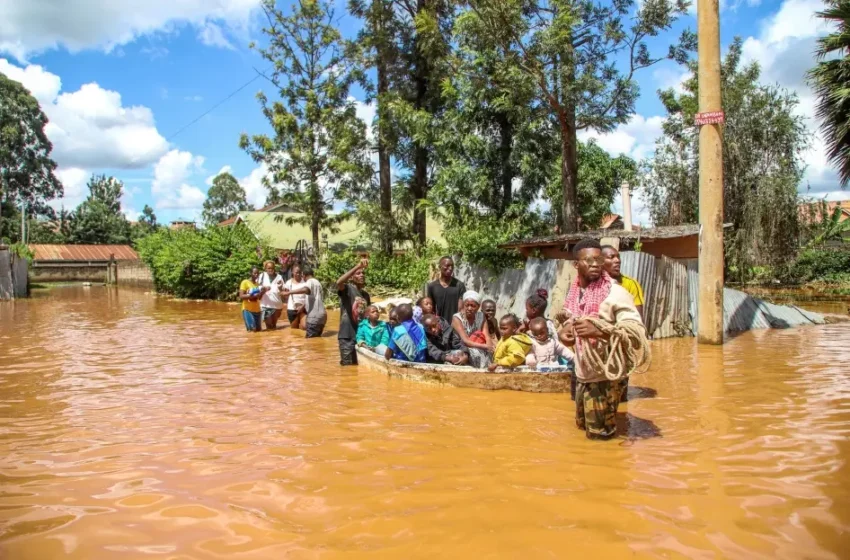
Severe flooding across Kenya has killed at least 81 people and displaced thousands after days of intense rainfall overwhelmed communities and infrastructure. The disaster has spread across several regions, leaving families stranded, homes destroyed, and emergency services under pressure.
Authorities confirmed that the death toll continues to rise as rescue teams search flooded areas and assist affected residents. At the same time, thousands of people have fled their homes to escape rising water levels, while others remain trapped in submerged neighborhoods awaiting help.
The crisis highlights the growing impact of extreme weather events across East Africa, where seasonal rains often trigger floods. However, this year’s rainfall has proven especially destructive, exposing weaknesses in infrastructure and disaster preparedness.
Flash Floods in Kenya Disrupt Communities and Infrastructure
The flash floods in Kenya began after prolonged heavy rainfall caused rivers to overflow and drainage systems to collapse. As a result, water spread rapidly across both urban and rural areas, sweeping away vehicles and destroying buildings.
In many communities, residents woke up to find streets underwater and homes severely damaged. Consequently, emergency teams had to act quickly to rescue stranded individuals and prevent further casualties.
Transport networks have also suffered major disruptions. Several roads remain impassable, while damaged bridges have cut off access to certain areas. In addition, power outages and water supply interruptions have affected daily life, making recovery more difficult.
Rising Death Toll and Growing Displacement
The human cost of the disaster continues to increase. At least 81 people have died, while many others remain missing as search operations continue.
Meanwhile, displacement has reached critical levels. Thousands of families have lost their homes and belongings, forcing them into temporary shelters. These shelters often lack sufficient resources, which increases the risk of health challenges.
Children, the elderly, and vulnerable individuals face the greatest risks. Therefore, humanitarian support remains essential in the coming days.
Seasonal Rains and Increasing Flood Risk
Kenya typically experiences heavy rainfall during the long rainy season between March and May. However, the intensity of this year’s rains has increased the risk of flash floods.
Weather forecasts had warned of heavy rainfall across several regions. Despite these warnings, the scale of the flooding has exceeded expectations in many areas.
Urban centres remain particularly vulnerable due to poor drainage systems and rapid population growth. As a result, water accumulates quickly during heavy rainfall, leading to severe flooding.
Emergency Response and Government Action
Authorities have activated emergency response teams to manage the situation. These teams include rescue workers, medical personnel, and security forces working together to assist affected communities.
Their efforts focus on evacuating residents from high-risk areas, providing temporary shelter, and distributing essential supplies such as food and clean water.
Government officials have also urged citizens living in flood-prone zones to relocate to safer areas. In addition, authorities continue to monitor weather conditions and issue warnings to reduce further risks.
Economic and Social Impact
The floods have caused widespread economic disruption across affected regions. Businesses have suffered losses due to damaged property and interrupted operations.
Transport challenges have also affected supply chains, leading to delays and increased costs. As a result, both local markets and national economic activities face pressure.
Education has also been disrupted, with several schools forced to close due to flooding. In addition, healthcare systems face increased demand as injuries and water-related diseases rise.
Climate Change and Extreme Weather
Experts increasingly link the frequency of floods in East Africa to climate change. Rising global temperatures contribute to heavier rainfall and more unpredictable weather patterns.
Therefore, events like the flash floods in Kenya are becoming more frequent and more severe. This trend raises serious concerns about future risks.
Improving infrastructure and strengthening disaster preparedness will be essential to reduce the impact of such events. Without these measures, communities will remain highly vulnerable.
Humanitarian Needs and Long-Term Recovery
Beyond immediate rescue operations, long-term recovery efforts will require significant support. Affected communities need food, clean water, shelter, and medical care.
Rebuilding damaged homes and infrastructure will take time and resources. Therefore, coordinated efforts between government agencies and humanitarian organizations will be necessary.
In addition, addressing underlying issues such as poor urban planning and environmental degradation can help reduce future risks.
Conclusion
The flash floods in Kenya have caused devastating loss of life and widespread displacement, highlighting the country’s vulnerability to extreme weather events.
While emergency teams continue rescue operations, the focus will soon shift to recovery and rebuilding. At the same time, the disaster underscores the urgent need for improved infrastructure and stronger climate resilience.
Ultimately, the crisis serves as a warning of the growing impact of climate-related disasters and the importance of proactive solutions to protect communities.