
First United Nations Plane Lands at Khartoum Airport After Three Years
- News Sudan
OurDailyAfrica Reporter
- 0
- 12 minutes read
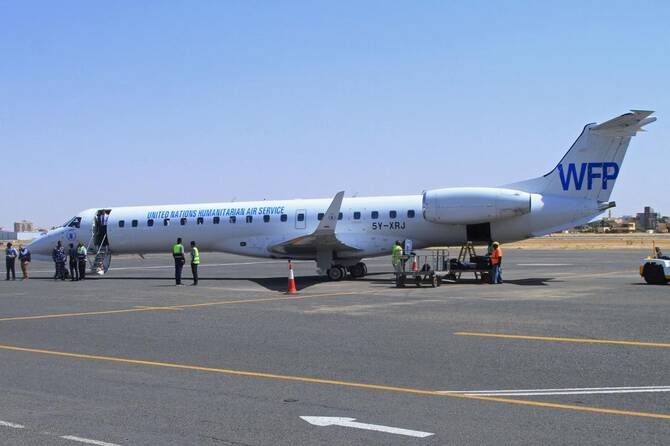
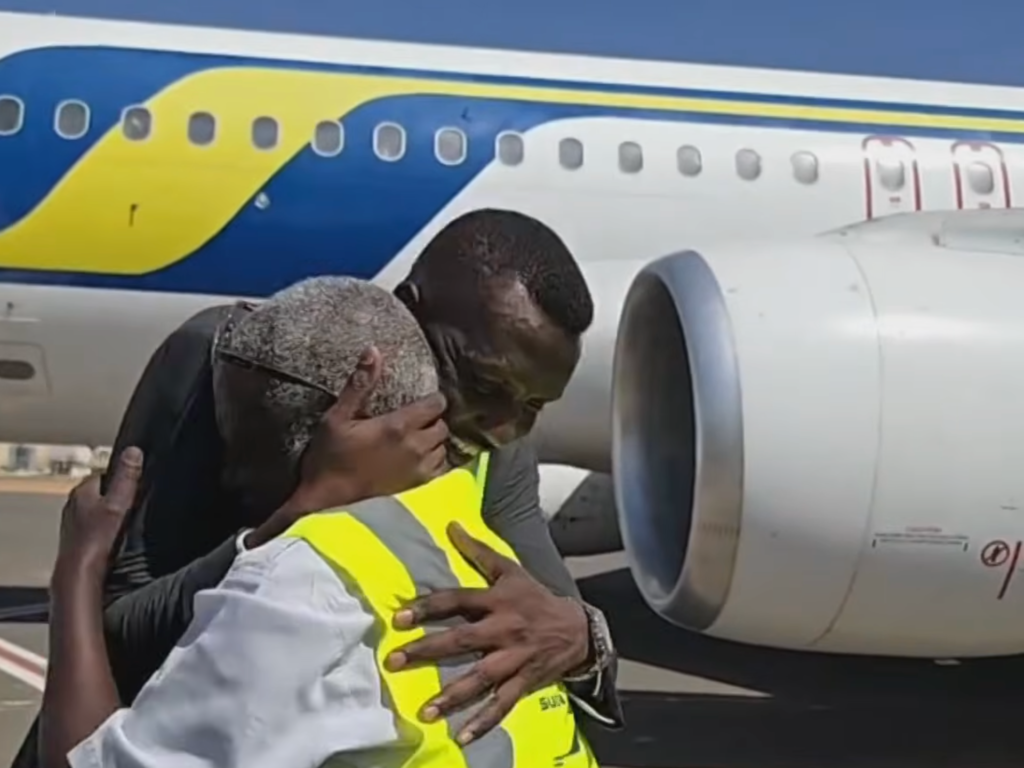
The first United Nations plane lands at Khartoum airport after three years, marking an important step toward restoring humanitarian operations in Sudan’s war-damaged capital. The flight represents renewed access for aid agencies seeking to reach millions of vulnerable people affected by conflict.
United Nations officials described the arrival as a major milestone for humanitarian work in Sudan. Aid organisations have struggled to reach Khartoum since fighting broke out in 2023 between the Sudanese army and the Rapid Support Forces.
The return of UN air operations demonstrates gradual improvements in access and security. However, humanitarian needs remain severe across the country.
The aircraft landed as part of the United Nations Humanitarian Air Service operations. Officials stressed that the flight will help aid workers deliver essential support to communities in need.
Why the First United Nations Plane Lands at Khartoum Airport After Three Years Matters
The fact that the first United Nations plane lands at Khartoum airport after three years signals progress in restoring humanitarian access. Aid agencies depend heavily on air transport to reach conflict-affected areas.
For nearly three years, humanitarian flights could not operate from Khartoum because of insecurity and damage to infrastructure. During the conflict, the airport suffered heavy destruction and closure.
The return of UN flights allows humanitarian staff to move more efficiently between operational areas. It also helps improve coordination between aid organisations.
Officials described the flight as a major development for relief operations. The humanitarian coordinator in Sudan noted that the flight represented a significant moment for the aid community.
Improved access could allow agencies to expand operations in the capital and surrounding areas. Consequently, more vulnerable populations may receive assistance.
Background to the Sudan Conflict
Sudan has experienced intense conflict since April 2023. Fighting erupted between the national army and the Rapid Support Forces following a breakdown in their political partnership.
The conflict quickly spread across the country and caused widespread destruction. Many government institutions collapsed, and infrastructure suffered severe damage.
Khartoum became one of the worst affected areas. The capital witnessed heavy fighting that forced residents to flee their homes.
Khartoum International Airport became a strategic target early in the conflict. Armed groups fought for control of the facility, and several aircraft were destroyed during the battles.
The airport remained closed for long periods because of security risks and structural damage. Eventually, government forces regained control and began restoration efforts.
Despite these improvements, conditions remain fragile.
Humanitarian Challenges in Sudan
Sudan faces one of the world’s most serious humanitarian crises. Millions of people depend on international assistance for survival.
Conflict has displaced large numbers of civilians. Many families have lost their homes and livelihoods.
Food shortages continue to affect vulnerable communities. Limited access to markets and farmland has reduced food availability.
Healthcare services have also suffered major disruptions. Many hospitals closed or became damaged during the fighting.
Humanitarian agencies require reliable transport to deliver supplies and personnel. Therefore, the return of air operations remains essential.
The arrival of the UN flight will improve the movement of humanitarian workers and emergency supplies. This development could strengthen aid delivery across affected regions.
Gradual Reopening of Khartoum Airport
The fact that the first United Nations plane lands at Khartoum airport after three years follows earlier efforts to reopen the airport.
In recent months, Sudanese authorities worked to restore aviation operations. Engineers repaired damaged facilities and improved safety conditions.
Domestic commercial flights resumed on a limited basis before the arrival of the UN aircraft. These flights represented early steps toward normalising operations.
Authorities view the reopening of the airport as a symbol of recovery in the capital. Restoring air travel helps reconnect Khartoum with other regions of the country.
However, security conditions remain uncertain in some areas. Authorities continue to monitor risks around the airport.
Despite these challenges, the arrival of humanitarian flights shows increasing confidence in operational safety.
Importance for Humanitarian Operations
The first United Nations plane lands at Khartoum airport after three years primarily to support humanitarian operations. Aid organisations rely on air transport to reach difficult locations.
Road travel remains dangerous and unreliable in several parts of Sudan. In many areas, damaged infrastructure slows relief efforts.
Air transport allows humanitarian teams to respond quickly to emergencies. It also enables the delivery of essential supplies such as medicine and food.
The United Nations Humanitarian Air Service provides transportation for aid workers from multiple organisations. These flights help coordinate relief efforts efficiently.
The return of flights to Khartoum will reduce travel times and improve operational effectiveness.
Consequently, humanitarian agencies expect improved access to vulnerable populations.
Symbol of Recovery in the Capital
The moment when the first United Nations plane lands at Khartoum airport after three years also carries symbolic importance. It reflects gradual recovery after years of conflict.
Residents of Khartoum have experienced severe hardship during the war. Many neighbourhoods suffered destruction and displacement.
Restoring airport operations signals a slow return toward normal conditions. Although challenges remain, improvements in infrastructure provide hope for recovery.
Government authorities continue to rebuild damaged facilities. International partners also support reconstruction efforts.
Improved transportation links will help economic activity resume. Businesses and humanitarian organisations depend on reliable air travel.
Therefore, the airport’s reopening represents an important milestone for the capital.
Continuing Security Concerns
Despite progress, security concerns remain a major issue. Fighting has not completely ended in several regions of Sudan.
Armed groups continue to operate in different parts of the country. Therefore, humanitarian organisations must carefully assess risks before expanding operations.
Aid agencies continue to call for improved security conditions. Safe access remains essential for effective humanitarian work.
Authorities also continue to strengthen airport security. These measures aim to protect passengers and staff.
Although the situation remains fragile, the return of UN flights suggests cautious optimism.
Future Outlook
The development in which the first United Nations plane lands at Khartoum airport after three years could mark the beginning of expanded humanitarian operations.
Aid organisations hope to increase assistance as access improves. Greater mobility will help relief teams respond to urgent needs.
Further flights may follow if conditions remain stable. Increased air traffic could support both humanitarian and civilian activities.
Long-term recovery will require continued international cooperation. Sudan faces major reconstruction challenges after years of conflict.
However, improved transportation infrastructure will support rebuilding efforts.
If stability improves, Khartoum could gradually return to its role as a national administrative and economic centre.
Conclusion
The moment when the first United Nations plane lands at Khartoum airport after three years represents an important step in Sudan’s recovery. The flight restores humanitarian access to the capital and strengthens relief operations.
Although major challenges remain, the reopening of air operations offers hope for improved assistance to vulnerable communities.
The development highlights the importance of cooperation between Sudanese authorities and international organisations.
Ultimately, restoring humanitarian access will play a crucial role in addressing Sudan’s ongoing crisis.