

Fighting Resumes in Eastern DRC in Violation of Ceasefire Deal
- Dr congo
OurDailyAfrica Reporter
- 0
- 12 minutes read
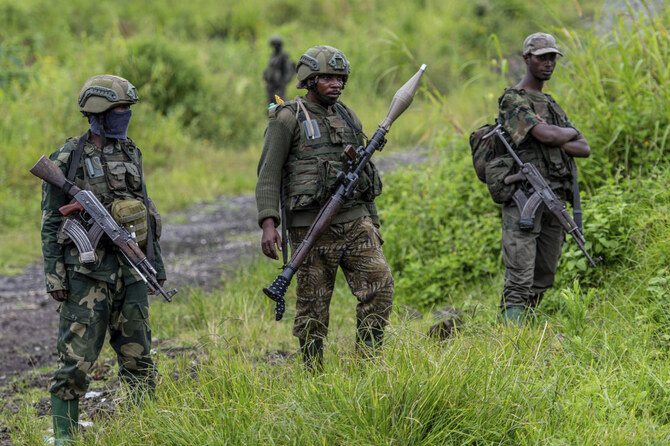
Fighting resumes in eastern DRC in violation of ceasefire deal, raising new fears about stability in one of Africa’s most fragile conflict zones. Renewed clashes between government forces and armed groups have shattered hopes for lasting peace despite previous agreements aimed at ending violence.
The escalation highlights the fragile nature of ceasefire arrangements in eastern Democratic Republic of Congo. Although leaders previously committed to halting hostilities, armed confrontations have continued across several territories. As a result, civilians once again face insecurity, displacement, and humanitarian hardship.
The renewed violence demonstrates how difficult it remains to enforce peace in a region where multiple armed groups compete for influence and territory.
Why Fighting Resumes in Eastern DRC in Violation of Ceasefire Deal Matters
The decision by armed factions to resume hostilities has serious consequences. Ceasefire agreements aim to reduce violence and create conditions for political dialogue. However, repeated violations undermine trust between negotiating parties.
Recent peace initiatives sought to end fighting between government forces and rebel groups. These agreements included commitments to stop territorial expansion and attacks. Nevertheless, clashes have continued, proving that enforcement mechanisms remain weak.
When fighting resumes in eastern DRC in violation of ceasefire deal, humanitarian conditions quickly worsen. Thousands of civilians already live in displacement camps. Many communities depend on aid for survival.
Renewed violence therefore increases suffering among vulnerable populations.
Background to the Conflict
Eastern Democratic Republic of Congo has experienced conflict for decades. More than one hundred armed groups operate in the mineral-rich region. Many of these groups fight for territory, influence, or access to resources.
Among the most prominent factions is the M23 rebel movement. The group has launched several major offensives in recent years. Its campaigns have captured important cities and forced large population movements.
Although peace negotiations have taken place, ceasefires rarely hold for long. Both sides frequently accuse each other of violations.
Therefore, the latest escalation follows a familiar pattern.
Ceasefire Agreement Fails to Hold
Recent ceasefire arrangements aimed to stabilise eastern Congo. Negotiations involved regional mediators and international partners. The agreements sought to halt attacks and open the path toward political settlement.
However, the agreements did not fully include all armed groups. Some rebel factions continued military preparations despite ongoing negotiations.
Consequently, the ceasefire remained fragile from the beginning.
When fighting resumes in eastern DRC in violation of ceasefire deal, it exposes the limits of diplomatic efforts. Without effective monitoring and enforcement, armed groups often return to combat.
This cycle of agreement and violation has repeated many times.
Impact on Civilians
Civilians suffer the most during renewed fighting. Families often abandon their homes to escape advancing forces. Many lose access to farmland and livelihoods.
Displacement remains widespread across eastern Congo. Millions of people already live away from their homes due to conflict.
When violence escalates, humanitarian agencies struggle to deliver assistance. Roads become unsafe. Supply routes break down. Health services become overstretched.
Furthermore, insecurity disrupts education and economic activity. Communities face long-term instability even after fighting stops.
Therefore, ceasefire violations deepen an already severe humanitarian crisis.
Strategic Importance of Eastern Congo
Eastern Congo holds significant economic and strategic importance. The region contains valuable mineral deposits that attract competing interests.
Control of territory often translates into economic advantage. Armed groups frequently seek access to mining areas and trade routes.
As a result, conflicts persist despite peace agreements.
When fighting resumes in eastern DRC in violation of ceasefire deal, it reflects competition over resources as well as political grievances.
The region’s location near several international borders also complicates security efforts. Cross-border movements allow armed groups to regroup and rearm.
Therefore, local conflicts often have regional consequences.
Regional and International Concerns
Regional governments and international organisations continue to monitor developments closely. Renewed clashes increase the risk of wider instability.
Previous escalations have displaced large numbers of civilians and triggered refugee flows into neighbouring countries.
International mediators have repeatedly urged all parties to respect ceasefire commitments. However, progress remains slow.
Diplomatic pressure continues, yet armed groups often prioritise battlefield gains over negotiations.
Consequently, peace initiatives face ongoing challenges.
A Pattern of Repeated Violence
The current escalation fits a long pattern of recurring conflict. Ceasefires often create temporary calm but rarely deliver permanent peace.
In the past, rebels have ignored ceasefire deadlines and continued advancing into new territories.
This pattern reduces confidence in future negotiations.
When fighting resumes in eastern DRC in violation of ceasefire deal, communities lose hope in diplomatic solutions. Many residents expect violence to return even after agreements.
Therefore, sustainable peace requires stronger implementation mechanisms.
Challenges to Achieving Lasting Peace
Several factors complicate peace efforts in eastern Congo.
First, the number of armed groups makes negotiations complex. Each group has different objectives and leadership structures.
Second, economic incentives often encourage continued conflict. Access to minerals and trade routes provides financial support for armed factions.
Third, regional tensions influence local dynamics. External involvement can prolong fighting.
Finally, weak infrastructure limits effective monitoring of ceasefire agreements.
Together, these challenges make peace difficult to maintain.
Future Prospects
Despite renewed violence, diplomatic efforts continue. Regional leaders and international partners remain committed to negotiation.
Peace initiatives still aim to create lasting stability. However, success depends on stronger enforcement and broader participation.
When fighting resumes in eastern DRC in violation of ceasefire deal, it demonstrates the need for comprehensive solutions.
Security reforms, economic development, and political dialogue must work together.
Without these measures, ceasefires will remain temporary.
Conclusion
Fighting resumes in eastern DRC in violation of ceasefire deal, highlighting the fragile state of peace efforts in the region. Renewed clashes threaten civilians, disrupt humanitarian operations, and undermine diplomatic progress.
Although ceasefire agreements offer hope, repeated violations weaken trust and delay lasting solutions. The eastern Congo conflict remains one of Africa’s most complex security challenges.
Until stronger enforcement mechanisms emerge, ceasefires will continue to face serious risks.
Ultimately, sustainable peace requires consistent political commitment, regional cooperation, and effective monitoring of agreements.