

Fibroid surgery is safe when done by professionals, gynaecologists say Africans Concern
- Health News
OurDailyAfrica Reporter
- 0
- 9 minutes read
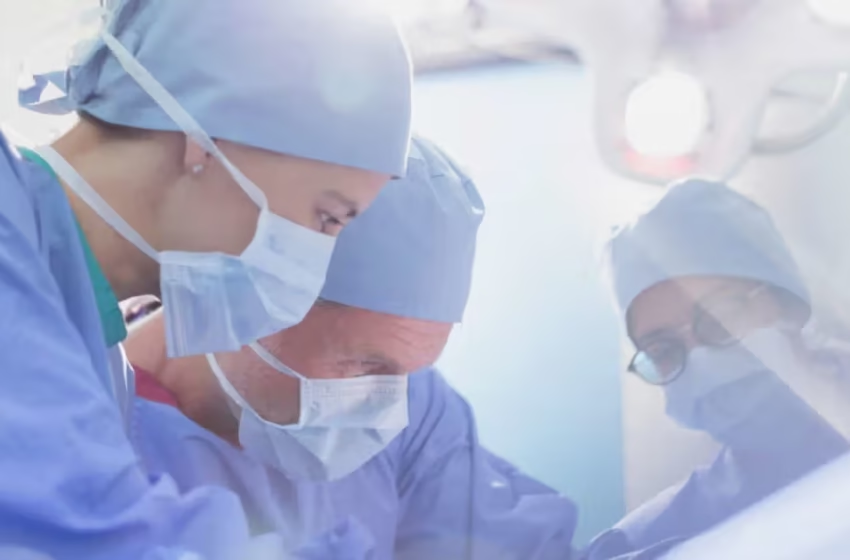
Why Professional Care Matters
Fibroid surgery safety improves significantly when trained specialists handle the procedure. Gynaecologists receive years of surgical training focused on women’s reproductive health. They understand the anatomy, risks, and best approaches for each patient.
Moreover, specialists conduct proper pre-surgery assessments. These include scans, blood tests, and medical history reviews. As a result, they choose the safest surgical method for each woman.
When unqualified individuals attempt such procedures, complications increase. Therefore, experts strongly advise women to avoid unregulated facilities.
Types of Fibroid Surgery and Their Safety Levels
Myomectomy
A myomectomy removes fibroids while preserving the uterus. This option suits women who want future pregnancies. Surgeons may perform it through open surgery, laparoscopy, or hysteroscopy.
With skilled hands, complications remain rare. Recovery time depends on the method used. Minimally invasive techniques often allow quicker healing.
Hysterectomy
A hysterectomy removes the uterus entirely. Doctors recommend this option for women who no longer want children or have severe symptoms. Although it sounds intimidating, it is one of the most commonly performed gynaecological surgeries worldwide.
When done by professionals in equipped hospitals, the procedure is highly safe. Modern techniques have reduced blood loss and recovery time.
Minimally Invasive Procedures
Advances in medicine have introduced safer options. Laparoscopic and hysteroscopic surgeries use small incisions or natural openings. These methods reduce pain, scarring, and hospital stays.
Experts note that not every patient qualifies for these procedures. However, when suitable, they offer excellent outcomes.
Pre-Surgery Evaluation Enhances Fibroid Surgery Safety
Before any surgery, doctors conduct thorough evaluations. These assessments determine the best treatment plan. They also help prevent complications.
Doctors examine fibroid size, location, and number. They also consider age, fertility goals, and overall health. Conditions such as anemia or high blood pressure receive treatment before surgery.
This careful preparation improves fibroid surgery safety and ensures better recovery outcomes.
Post-Surgery Care and Recovery
Recovery does not end after surgery. Proper post-operative care plays a vital role in long-term success. Patients receive pain management, infection prevention, and follow-up appointments.
Most women return to normal activities within weeks. Those who follow medical advice recover faster. In contrast, ignoring post-surgery instructions can delay healing.
Gynaecologists encourage patients to report unusual symptoms immediately. Early intervention prevents serious complications.
Common Myths About Fibroid Surgery Safety
Many women fear fibroid surgery due to misinformation. However, experts continue to debunk these myths.
One common belief claims surgery always causes infertility. This is false. Myomectomy often improves fertility by removing growths that block conception.
Another myth suggests fibroids always return after surgery. While recurrence is possible, regular medical follow-up helps manage future risks.
Fear should never replace medical facts. Professional guidance remains essential.
Why Early Medical Attention Is Crucial
Early diagnosis reduces the need for complex surgery. When fibroids receive timely treatment, procedures become simpler and safer.
Unfortunately, many women delay hospital visits due to fear or stigma. This delay often worsens symptoms. Gynaecologists urge women to seek help early.
Regular check-ups increase fibroid surgery safety and improve quality of life.
Choosing the Right Hospital and Surgeon
Not all healthcare facilities offer the same standards. Women should choose accredited hospitals with experienced specialists. Proper equipment, emergency care, and skilled staff improve outcomes.
Experts advise patients to ask questions. Understanding the procedure builds confidence and trust. A good doctor explains risks, benefits, and alternatives clearly.
The Role of Technology in Improving Safety
Medical technology continues to enhance fibroid surgery safety. Advanced imaging allows precise planning. Modern surgical tools reduce tissue damage.
As technology improves, recovery becomes faster and safer. Experts believe these innovations will continue to transform fibroid care.
Final Thoughts on Fibroid Surgery Safety
Fibroid surgery safety is no longer a major concern when professionals handle the procedure. Medical experts agree that the risks are low in well-equipped hospitals. With proper evaluation, skilled surgeons, and post-operative care, women can undergo treatment with confidence.
Rather than fear surgery, women should focus on early diagnosis and expert care. When performed by professionals, fibroid surgery saves lives, restores health, and improves fertility outcomes.