

Ethiopia Drone Strike Kills Army Allies, Deepening Amhara Conflict
- Ethopia
OurDailyAfrica Reporter
- 0
- 13 minutes read
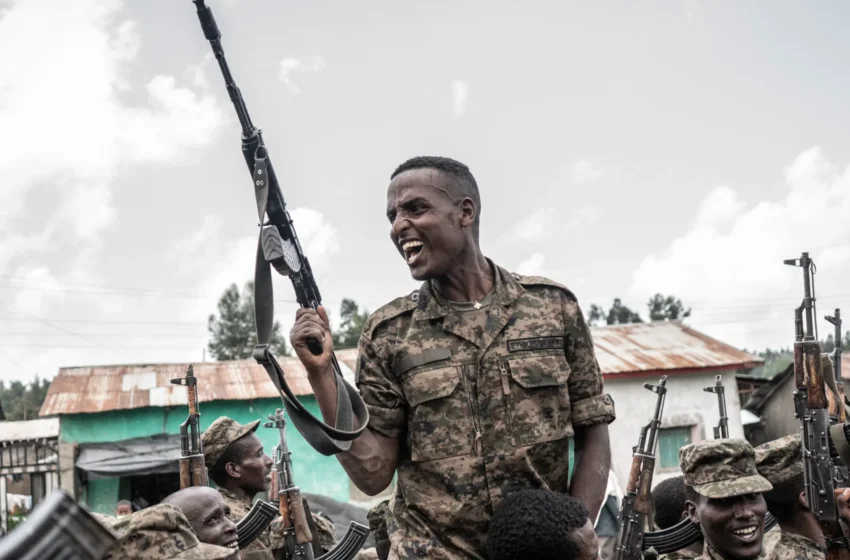
The Ethiopia drone strike that killed at least 40 allied fighters has intensified concerns about the country’s widening internal conflict and the growing use of aerial warfare in domestic security operations. The incident, which occurred in the Amhara region, has raised serious questions about military coordination, accountability, and the risks of drone warfare in complex insurgency zones.
According to local officials and medical sources, the strike hit a camp housing fighters aligned with the Ethiopian army. Many of those killed were long-standing allies who had supported federal forces in ongoing operations against insurgent groups. What was intended as a security measure instead resulted in one of the deadliest friendly-fire incidents in the region in recent months.
As Ethiopia struggles to stabilise multiple conflict-affected regions, the drone strike highlights the fragile nature of alliances and the escalating human cost of internal warfare.
What Happened in the Ethiopia Drone Strike
The Ethiopia drone strike took place on 15 January in the Waghemira area of the Amhara region, a zone that has experienced repeated clashes over the past two years. Witnesses described a sudden aerial attack that struck a camp used by pro-government fighters.
Reports indicate that more than 36 fighters died instantly, while several others suffered critical injuries. At least two later died in hospital, pushing the confirmed death toll beyond 40. Medical workers described scenes of severe trauma, burns, and fragmentation injuries consistent with drone-delivered munitions.
Local officials stated that the camp had been operating openly for years and was known to coordinate with federal forces. This fact has fuelled confusion and anger among survivors, who questioned how such a site could be misidentified as a hostile target.
Amhara Region and the Expanding Conflict
The Amhara region has become one of Ethiopia’s most unstable security zones. Since 2023, tensions have escalated following federal efforts to disarm regional militias and restructure local security forces.
Many fighters in the region had previously aligned with the central government during earlier conflicts. However, shifting political decisions and disarmament campaigns created friction, leading to armed resistance and fragmented loyalties.
As a result, the security landscape in Amhara is highly complex. Armed groups often operate close to civilian areas, while alliances change rapidly. In such an environment, the risk of miscalculation increases significantly.
The Ethiopia drone strike reflects these dangers.
Drone Warfare and Military Coordination Challenges
Ethiopia has increasingly relied on drones as part of its counter-insurgency strategy. Drones allow rapid response, surveillance, and strike capability without deploying large ground forces.
However, drone warfare carries serious risks, especially in internal conflicts where front lines are unclear. Identification errors, intelligence failures, and communication breakdowns can lead to catastrophic outcomes.
In this case, witnesses reported that the drone reportedly hovered over the camp before firing. This detail has intensified criticism and raised concerns about command oversight and rules of engagement.
Military officials later described the strike as a mistake, although no detailed explanation was immediately provided. The lack of clarity has further eroded trust among allied fighters and local communities.
Human Cost of the Ethiopia Drone Strike
Beyond military implications, the Ethiopia drone strike has inflicted profound human suffering.
Many of the victims were community members who had joined allied forces to defend their areas. Families received news of the deaths without warning, and survivors described chaos in the aftermath of the strike.
Hospitals in the region struggled to cope with the influx of wounded fighters. Medical workers reported shortages of supplies and staff, highlighting the strain placed on local health systems by ongoing conflict.
For communities already traumatised by years of instability, the incident deepened fear, grief, and resentment.
Accountability and Public Reaction
The lack of immediate accountability has drawn criticism from local leaders and civil society voices. Many have demanded a transparent investigation into how the strike occurred and who authorised it.
In conflict-affected regions, trust between communities and the state remains fragile. Incidents such as this risk widening that gap, especially when victims are allies rather than opponents.
Observers warn that without accountability, similar incidents may continue. They also caution that unresolved grievances could push more fighters away from cooperation with federal forces, worsening insecurity.
Broader Security Challenges Facing Ethiopia
The Ethiopia drone strike must be viewed within the broader context of the country’s security challenges. Ethiopia faces armed unrest in several regions, including Amhara and Oromia, while still recovering from the devastating war in the north.
Each conflict has its own roots, actors, and grievances. However, they share common features: weakened trust in institutions, contested authority, and civilian exposure to violence.
The expansion of drone use reflects the government’s effort to maintain control across vast and difficult terrain. Yet technology alone cannot resolve political and social tensions.
Without dialogue, reconciliation, and inclusive governance, military solutions risk deepening cycles of violence.
Impact on Military Alliances
One of the most serious consequences of the Ethiopia drone strike is its impact on alliances.
Allied fighters play a crucial role in maintaining security in remote areas. They often provide local knowledge and manpower that federal forces lack. When such allies become casualties of military operations, morale suffers.
Some survivors reportedly questioned whether cooperation with federal forces remains safe. If such doubts spread, the government could face increased resistance and reduced intelligence sharing.
Maintaining alliances requires trust. Incidents like this undermine that trust.
Calls for Investigation and Reform
In the aftermath of the strike, calls have grown for:
- An independent investigation
- Clear rules governing drone operations
- Improved coordination between air and ground forces
- Compensation and support for affected families
Addressing these demands may help prevent further escalation and restore confidence among local allies.
Failure to act, however, risks reinforcing perceptions of disregard for human life and allied sacrifice.
What the Ethiopia Drone Strike Signals
The Ethiopia drone strike that killed allied fighters is a stark warning about the limits of military power in internal conflicts.
It shows how quickly operations can go wrong when intelligence is flawed or coordination breaks down. It also demonstrates the heavy cost paid by communities caught between state forces and insurgent dynamics.
As Ethiopia seeks stability, balancing security operations with accountability and political solutions will remain critical.
Conclusion: A Conflict at a Crossroads
The deadly drone strike in Amhara underscores the fragile state of Ethiopia’s internal security environment. While the government faces genuine threats, the methods used to address them carry serious consequences.
Honouring those killed requires more than acknowledgment. It demands transparency, reform, and a renewed focus on preventing future tragedies.
Without these steps, the Ethiopia drone strike risks becoming another symbol of a conflict that continues to claim lives on all sides.