

Egypt’s Nabil Fahmy Named Arab League Chief to Lead Regional Diplomacy
- Egypt News
OurDailyAfrica Reporter
- 0
- 9 minutes read
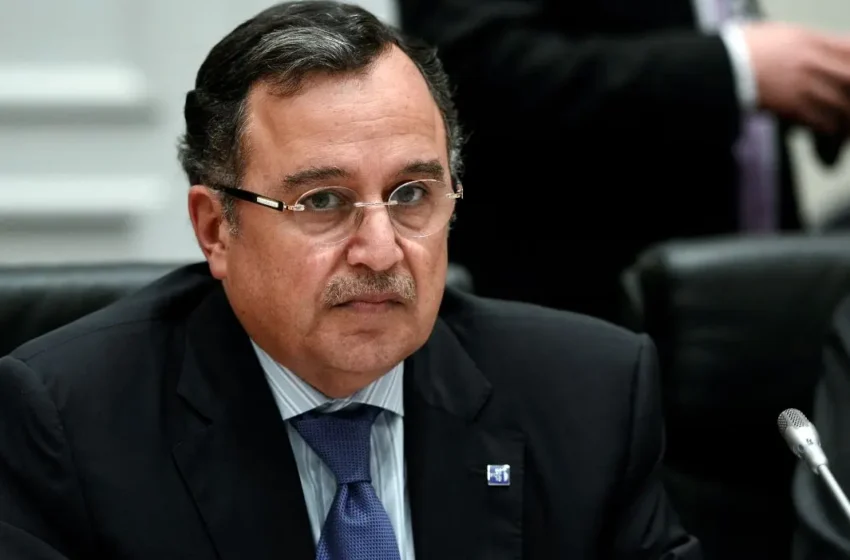
A significant leadership transition is unfolding in the Arab world as Nabil Fahmy has been appointed Secretary-General of the Arab League. This appointment marks an important moment for regional diplomacy, especially as the Middle East faces rising geopolitical tensions and complex political challenges.
The decision reflects a strategic effort by member states to place experienced leadership at the forefront of regional coordination. At a time when cooperation is essential, the selection of Fahmy signals confidence in his ability to guide the organization through a demanding period.
Fahmy will assume office in July 2026, succeeding Ahmed Aboul Gheit, who has led the organization since 2016. As a result, the transition represents both continuity and renewal within the Arab League’s leadership structure.
Egypt’s Nabil Fahmy Named Arab League Chief Amid Regional Challenges
The Egypt’s Nabil Fahmy named Arab League chief development highlights the urgent need for strong diplomatic leadership across the region. Fahmy brings decades of experience in international relations, negotiation, and foreign policy.
He previously served as Egypt’s foreign minister and also held the position of ambassador to the United States. Therefore, his background equips him with the skills required to navigate complex geopolitical dynamics.
At present, the Middle East faces multiple challenges, including political instability, economic pressure, and shifting alliances. Consequently, the role of the Arab League remains critical in coordinating responses and promoting dialogue among member states.
A Leadership Tradition Rooted in Egypt
The appointment of Nabil Fahmy follows a long-standing tradition within the Arab League. Since its establishment, the organization has typically selected an Egyptian national as Secretary-General.
This tradition reflects Egypt’s historical influence in Arab diplomacy and its central role in regional politics. In addition, the organization’s headquarters in Cairo reinforces this connection.
Therefore, Fahmy’s appointment maintains continuity while also introducing a leader with a fresh perspective on modern challenges.
Transition from Ahmed Aboul Gheit
The transition from Ahmed Aboul Gheit to Fahmy represents a key moment for the organization. Aboul Gheit’s tenure focused on maintaining unity and addressing ongoing conflicts.
However, the region continues to evolve, creating new demands for leadership. As a result, Fahmy is expected to adapt strategies and strengthen cooperation among member states.
This shift highlights the importance of balancing stability with innovation in diplomatic efforts.
Diplomatic Experience and Strategic Vision
Nabil Fahmy brings a wealth of diplomatic experience to the role. Throughout his career, he has engaged in high-level negotiations and contributed to policy development.
His tenure as foreign minister placed him at the centre of Egypt’s international engagements. In addition, his role as ambassador to the United States provided valuable insights into global diplomacy.
Beyond government service, Fahmy has also contributed to academic and policy discussions. Therefore, his combined expertise offers a strong foundation for leadership within the Arab League.
Key Challenges Facing the Arab League
The Egypt’s Nabil Fahmy named Arab League chief appointment comes at a time when the organization faces several pressing challenges. Political instability remains a concern across parts of the region.
In addition, economic pressures continue to affect member states, with issues such as unemployment and inflation impacting growth. Consequently, coordinated responses are essential.
Security concerns also remain significant. Conflicts and tensions in various areas require diplomatic engagement and conflict resolution strategies.
Therefore, the Arab League must strengthen its role as a platform for dialogue and cooperation.
Opportunities for Regional Cooperation
Despite these challenges, the appointment presents new opportunities. The Arab League can enhance collaboration among member states in key areas such as trade, security, and development.
For example, economic partnerships can help address shared challenges and promote growth. Similarly, joint initiatives in education and infrastructure can support long-term progress.
Fahmy’s leadership may also encourage renewed focus on diplomacy and conflict resolution. By fostering dialogue, the organization can reduce tensions and build consensus.
Egypt’s Role in Regional Diplomacy
The appointment of Nabil Fahmy also reflects Egypt’s broader diplomatic strategy. The country has long played a central role in regional politics and international relations.
In recent years, Egypt has worked to strengthen its influence through mediation and strategic partnerships. Therefore, Fahmy’s leadership aligns with these efforts.
At the same time, Egypt must balance its national interests with the collective priorities of the Arab world. This responsibility underscores the importance of effective leadership within the organization.
Looking Ahead: Expectations and Impact
As Fahmy prepares to take office, expectations remain high. Member states look to the new Secretary-General to provide direction and strengthen cooperation.
The Egypt’s Nabil Fahmy named Arab League chief moment represents a turning point for the organization. It offers an opportunity to address pressing challenges and improve regional coordination.
However, success will depend on the ability to build consensus and manage complex political dynamics. Therefore, the coming years will be critical.
Conclusion
The appointment of Nabil Fahmy as Secretary-General of the Arab League marks a significant development in regional diplomacy. It reflects both continuity and change at a time of growing complexity.
With strong diplomatic experience and strategic insight, Fahmy is well-positioned to lead the organization forward. However, the challenges ahead require careful navigation and effective collaboration.
Ultimately, the success of his leadership will depend on his ability to promote unity, strengthen cooperation, and address the evolving needs of the Arab world.