
Egypt’s El-Sissi Urges UN Security Council Reforms for Africa’s Larger Role
- Egypt News
OurDailyAfrica Reporter
- 0
- 10 minutes read
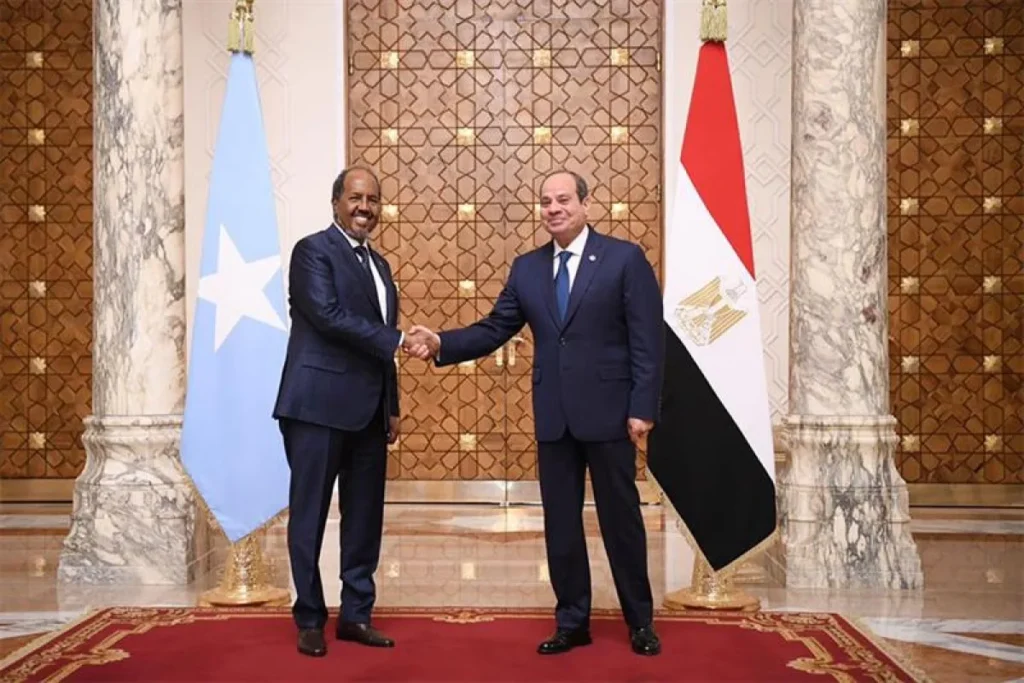
Egypt’s El-Sissi urges UN Security Council reforms for Africa’s larger role, renewing a long-standing continental demand for fair representation in global decision-making. Speaking at a high-level international forum, Egyptian President Abdel-Fattah El-Sissi stressed that Africa must play a stronger role in shaping international peace and security policies.
He argued that global institutions must evolve to reflect modern realities. According to him, Africa’s population size, economic growth, and peacekeeping contributions make stronger representation not only justified but necessary. His remarks echoed a unified African position that current global governance structures no longer reflect the balance of the modern world.
Why Egypt’s El-Sissi Urges UN Security Council Reforms for Africa’s Larger Role
The reason Egypt’s El-Sissi urges UN Security Council reforms for Africa’s larger role is rooted in decades of underrepresentation. Although Africa accounts for more than one-quarter of United Nations member states, it holds no permanent seat on the Security Council.
As a result, African nations often lack influence over decisions that directly affect their security, development, and stability. El-Sissi emphasised that this imbalance weakens international legitimacy and undermines effective conflict resolution.
He maintained that inclusive representation would strengthen global peace efforts rather than threaten existing power structures.
Africa’s Position on Security Council Reform
African leaders have long supported reform proposals coordinated through the African Union. These proposals call for at least two permanent seats for Africa, along with expanded non-permanent representation.
According to African leaders, permanent membership must include full decision-making rights. Anything less, they argue, would preserve inequality rather than resolve it.
El-Sissi reaffirmed Egypt’s commitment to this collective African stance. He called on African states to remain united and consistent in pushing for reform across international platforms.
Link Between Global Stability and African Representation
El-Sissi linked Africa’s exclusion from top decision-making bodies to ongoing global instability. He argued that many international crises unfold in regions with little influence over Security Council resolutions.
Therefore, granting Africa a stronger voice would improve conflict prevention, peacekeeping mandates, and humanitarian responses. He noted that African countries often contribute troops and resources but lack influence over mission mandates.
This imbalance, he said, must be corrected to ensure fairness and effectiveness.
Beyond the Security Council
While focusing on Security Council reform, El-Sissi also called for broader changes in international institutions. He said global financial and economic organisations must also reflect the realities of developing regions.
According to him, reforming governance structures would support sustainable development and reduce inequality between regions. Africa’s economic potential, he added, deserves recognition through fair voting power and leadership opportunities.
This broader vision aligns with Africa’s push for a more balanced global order.
Support From African and Global Partners
El-Sissi’s call received support from African leaders attending the forum. Many agreed that reform must remain a diplomatic priority.
Some international partners also expressed openness to dialogue on reform, although concrete commitments remain limited. Observers note that reform requires consensus among current permanent members, which presents major political challenges.
Nevertheless, African leaders believe persistence and unity can drive gradual progress.
Challenges Facing UN Security Council Reform
Reforming the Security Council remains complex. Structural change requires approval from existing permanent members, many of whom resist altering veto powers.
In addition, African states must agree internally on representation models. Disagreements over which countries would occupy permanent seats have slowed progress in the past.
Despite these challenges, El-Sissi urged patience and strategic diplomacy. He said reform is difficult but necessary for global credibility.
Africa’s Growing Global Influence
Africa’s role in global affairs continues to expand. The continent’s population is expected to double by mid-century, making its voice increasingly important.
African nations also contribute significantly to peacekeeping operations and regional security initiatives. These contributions, El-Sissi argued, strengthen Africa’s case for permanent representation.
Ignoring Africa’s influence, he warned, risks weakening the international system.
The Role of Unity in Achieving Reform
El-Sissi stressed that unity remains Africa’s strongest tool. Fragmentation, he warned, would weaken reform efforts.
He encouraged African governments to coordinate positions and speak with one voice at global forums. Unified messaging, he said, increases leverage and credibility.
According to him, Africa must shape its future rather than wait for reforms to be granted.
Global Governance in a Changing World
The call for reform comes at a time when global power dynamics are shifting. Emerging economies now play larger roles in trade, security, and diplomacy.
El-Sissi argued that institutions created after World War II must adapt to this reality. Without reform, he said, global systems risk losing relevance and trust.
A more inclusive Security Council, he added, would strengthen international cooperation.
What Comes Next
African leaders plan to continue advocating for reform through diplomatic channels. Upcoming summits and international meetings will serve as platforms to push the agenda forward.
El-Sissi called for consistent engagement rather than symbolic gestures. He emphasised that real change requires sustained pressure and negotiation.
African nations, he said, must remain firm and focused.
Conclusion
In conclusion, Egypt’s El-Sissi urges UN Security Council reforms for Africa’s larger role as part of a broader effort to create a fairer and more inclusive global system. His message reflects Africa’s growing confidence and determination to shape international decision-making.
By pushing for reform, African leaders seek recognition, equity, and effectiveness within global institutions. While challenges remain, the demand for change continues to gain momentum.
The future of global governance, many believe, depends on whether institutions adapt to reflect the world as it is today.