

Egypt unveils newly restored statues of Amenhotep III in Luxor
- Egypt History
OurDailyAfrica Reporter
- 0
- 5 minutes read
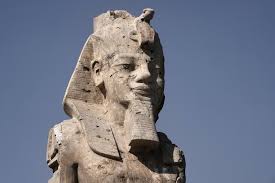
Egypt has unveiled a newly restored set of ancient statues depicting Pharaoh Amenhotep III in the historic city of Luxor, marking another milestone in the country’s efforts to preserve its vast archaeological heritage and promote cultural tourism.
The statues, which date back more than 3,000 years, were revealed following an extensive restoration process aimed at stabilizing their structure and restoring their original features. Officials described the unveiling as part of a broader national strategy to safeguard Egypt’s ancient monuments while making them accessible to visitors and scholars.
A glimpse into Egypt’s golden age
Amenhotep III ruled during one of ancient Egypt’s most prosperous periods. His reign was marked by political stability, economic strength, and a flourishing of art and architecture. The newly restored statues reflect the grandeur of that era, portraying the pharaoh in a commanding seated posture that symbolizes royal authority and divine power.
Archaeologists say the statues were originally erected to honor Amenhotep III’s legacy and to serve as a visual reminder of his role as both a ruler and a religious figure. Their scale and craftsmanship highlight the advanced artistic skills of ancient Egyptian sculptors.
Careful restoration work
Restoration experts explained that the project involved months of detailed work, including cleaning, reinforcement of weakened stone sections, and careful reconstruction of damaged areas. The goal was not to alter the original design, but to preserve the statues as authentically as possible while ensuring their long-term stability.
Specialists used modern conservation techniques alongside traditional methods to prevent further deterioration caused by weather, pollution, and time. Officials emphasized that all restoration steps followed international archaeological standards.
Luxor’s growing cultural appeal
Luxor, often described as the world’s greatest open-air museum, continues to play a central role in Egypt’s tourism revival. The unveiling of the restored statues adds to a series of high-profile heritage projects in the city, which is home to iconic sites such as ancient temples, royal tombs, and ceremonial avenues.
Authorities believe such projects strengthen Luxor’s appeal as a destination for cultural tourism while reinforcing Egypt’s image as a global center of ancient civilization.
Boosting tourism and national pride
Egyptian officials highlighted that restoring and showcasing ancient monuments is not only about tourism revenue, but also about preserving national identity. By protecting artifacts linked to powerful historical figures like Amenhotep III, Egypt aims to pass its cultural legacy to future generations.
Tourism officials expressed confidence that renewed interest in restored monuments will attract both international visitors and local tourists, contributing to economic growth and job creation in heritage-rich regions.
Continuing preservation efforts
The unveiling of the statues is part of an ongoing national campaign to restore temples, tombs, statues, and archaeological sites across the country. Egypt has increasingly invested in heritage conservation, museum development, and archaeological research in recent years.
Experts say these efforts help counter decades of damage caused by environmental factors, urban expansion, and past neglect.
Conclusion
The unveiling of the newly restored statues of Amenhotep III in Luxor stands as a testament to Egypt’s commitment to preserving its ancient heritage. By blending modern conservation science with respect for history, the country continues to protect the monuments that define its place in human civilization.
As Luxor welcomes another restored treasure, the statues serve as a powerful reminder of Egypt’s enduring legacy — one carved in stone and preserved for the world to see.