
Egypt Supports Somalia’s Territorial Integrity at High-Level Cairo Talks
- Egypt News
OurDailyAfrica Reporter
- 0
- 12 minutes read
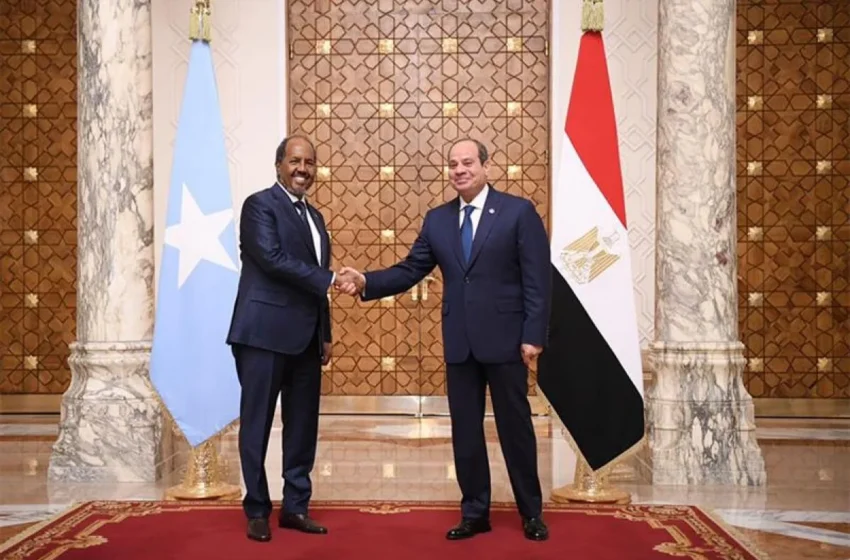
Egypt’s decision to restate firm backing for Somalia’s unity marks a defining moment in Horn of Africa diplomacy. During high-level talks in Cairo, Egypt’s president underlined a clear position. Egypt supports Somalia’s territorial integrity. This stance matters now more than ever. The region faces rising pressure from external influence, internal fragmentation, and fragile security conditions. Therefore, the message from Cairo sent a strong signal to regional and international partners.
At the heart of the talks stood a shared concern. Both countries want stability across the Horn of Africa. They also want respect for national borders. In recent months, political tensions have increased. Meanwhile, competing interests have created new risks. As a result, leaders in Cairo framed unity as the foundation for peace. They argued that any move that weakens Somalia’s sovereignty could trigger wider instability.
Furthermore, Egypt views Somalia as a strategic partner. The Red Sea and Gulf of Aden remain vital trade routes. Therefore, security in Somalia affects Egypt’s own interests. Through this renewed commitment, Cairo aims to strengthen cooperation. It also aims to support regional order based on international law.
Egypt Supports Somalia’s Territorial Integrity: Why the Message Matters
The declaration that Egypt supports Somalia’s territorial integrity carries weight. It is not only symbolic. It shapes diplomatic expectations. It also influences security planning across the region. When a major regional actor takes a clear stance, others pay attention. Consequently, Egypt’s words may help deter actions that threaten Somalia’s unity.
Moreover, the message reinforces long-standing principles. Many African states defend existing borders. They fear that recognition of breakaway regions could set dangerous precedents. Therefore, Egypt’s position aligns with continental norms. It also reflects concerns that fragmentation could fuel conflict.
In addition, the stance strengthens Somalia’s diplomatic hand. Somalia continues to rebuild institutions. It also continues to confront militant threats. External support boosts morale. It also improves leverage in regional forums. With Egypt’s backing, Somalia gains a stronger voice in diplomatic circles.
Strategic Context in the Horn of Africa
The Horn of Africa sits at a crossroads of trade and security. The region links Africa, the Middle East, and Asia. As a result, global powers compete for influence there. This competition brings investment. However, it also brings tension. Therefore, regional unity becomes essential.
Somalia occupies a critical location along key shipping lanes. Any instability there can disrupt trade. It can also raise security risks at sea. Piracy, trafficking, and militant activity remain concerns. Thus, Egypt’s focus on Somalia’s stability reflects broader maritime interests.
At the same time, regional disputes have intensified. Border questions, port access, and political recognition debates continue. These issues can inflame tensions quickly. Consequently, leaders seek to reinforce principles of sovereignty. Egypt’s statement fits into this wider effort to promote order.
Security Cooperation and Regional Stability
Security featured prominently in the Cairo talks. Both sides emphasized cooperation against militant groups. Somalia continues to face threats from extremist networks. These groups target civilians and institutions. Therefore, external support remains crucial.
Egypt has experience in counterterrorism. It also has training capacity. Through cooperation, Egypt can assist Somali forces. This support can include training, intelligence sharing, and capacity building. As a result, Somalia’s security institutions can grow stronger.
Furthermore, stability in Somalia benefits neighbors. When Somalia stabilizes, cross-border threats decline. Refugee flows also ease. Trade routes become safer. Thus, Egypt’s commitment supports a broader security vision for the region.
Diplomatic Signals and International Law
The Cairo message also reinforced respect for international law. Leaders stressed the importance of sovereignty and territorial integrity. These principles guide global diplomacy. When states uphold them, predictability improves. Consequently, conflict risks decline.
Egypt’s stance sends a signal to external actors. It warns against unilateral actions that could undermine Somalia’s unity. Such actions could escalate tensions. They could also weaken regional trust. Therefore, Cairo’s message aims to preserve diplomatic norms.
At the same time, Somalia benefits from visible support. Diplomatic backing strengthens its case in multilateral forums. It also encourages partners to align with recognized borders. Over time, this alignment can stabilize regional politics.
Economic Dimensions of Stability
Security and diplomacy also affect economic prospects. Somalia seeks to rebuild its economy. Investment depends on stability. When borders remain respected, investors feel safer. Therefore, Egypt’s support has indirect economic value.
Trade routes through the Red Sea matter for both countries. Stability along Somalia’s coast supports shipping. It also protects port infrastructure. As trade grows, regional economies benefit. Thus, political unity and economic growth remain linked.
Moreover, Egypt and Somalia can expand economic cooperation. Sectors such as agriculture, fisheries, and logistics offer potential. With stability, these sectors can attract capital. Over time, cooperation can create jobs and improve livelihoods.
Regional Alliances and Balance of Power
The Horn of Africa hosts competing alliances. Gulf states, global powers, and regional actors seek influence. This competition shapes local politics. Therefore, clear positions from regional leaders matter. Egypt’s stance helps shape the balance.
By supporting Somalia’s unity, Egypt aligns with countries that defend sovereignty. This alignment can create a diplomatic bloc. Such a bloc can resist external pressure. It can also promote regional solutions to regional problems.
Furthermore, Egypt’s role adds weight to African-led diplomacy. When African states coordinate, they reduce reliance on external mediators. This approach supports long-term autonomy. It also strengthens continental institutions.
Challenges Ahead for Somalia
Despite strong diplomatic backing, Somalia faces real challenges. Governance reforms remain complex. Security threats persist. Economic recovery takes time. Therefore, external support must go beyond statements.
Capacity building remains essential. Institutions need resources. Security forces need training. Civil services need support. Through partnerships, Somalia can build resilience. Egypt’s involvement can contribute to this process.
In addition, reconciliation within Somalia remains crucial. Unity requires inclusive politics. Dialogue among regions strengthens national cohesion. While external backing helps, domestic consensus drives lasting stability.
The Role of Regional Organizations
Regional organizations play a key role in maintaining peace. African-led missions support security transitions. Diplomatic forums promote dialogue. Egypt’s stance complements these efforts.
When member states share principles, organizations act more effectively. Clear positions reduce ambiguity. Therefore, Egypt’s message strengthens collective diplomacy. It also encourages coordinated responses to crises.
Over time, sustained cooperation can improve crisis management. Early warnings, joint planning, and shared intelligence can prevent escalation. Thus, regional frameworks gain value when states commit to shared norms.
Public Messaging and Political Impact
Public diplomacy matters. Statements from leaders shape narratives. They influence public opinion. Egypt’s declaration reassures Somali citizens. It also reassures regional partners.
Clear messaging can deter destabilizing moves. When actors know that major states oppose fragmentation, they think twice. Therefore, public support for unity has preventive value.
Moreover, consistent messaging builds trust. When states repeat commitments over time, credibility grows. Egypt’s repeated support for Somalia’s unity strengthens diplomatic confidence.
Looking Ahead: Opportunities for Deeper Cooperation
The Cairo talks open doors for deeper cooperation. Beyond security, cultural and educational exchanges can grow. Such ties build long-term understanding. They also strengthen people-to-people links.
Economic partnerships can expand. Joint projects in infrastructure, training, and trade can create mutual benefits. As trust deepens, cooperation becomes easier. Therefore, the diplomatic moment can translate into practical gains.
At the same time, regional peace requires patience. Progress often comes slowly. However, consistent support for sovereignty creates a stable foundation. With that foundation, cooperation can flourish.
Conclusion
Egypt’s reaffirmation that Egypt supports Somalia’s territorial integrity reflects a strategic choice. It promotes stability. It defends international law. It strengthens regional diplomacy. While Somalia still faces challenges, strong partnerships can help.
Through security cooperation, diplomatic alignment, and economic engagement, both countries can contribute to a more stable Horn of Africa. Ultimately, unity and sovereignty remain central to peace. Egypt’s message from Cairo reinforces that principle and points toward a path of cooperation and stability.