

Ghanaian Icon Ebo Taylor Remembered After Death at 90
- Ghana News
OurDailyAfrica Reporter
- 0
- 8 minutes read
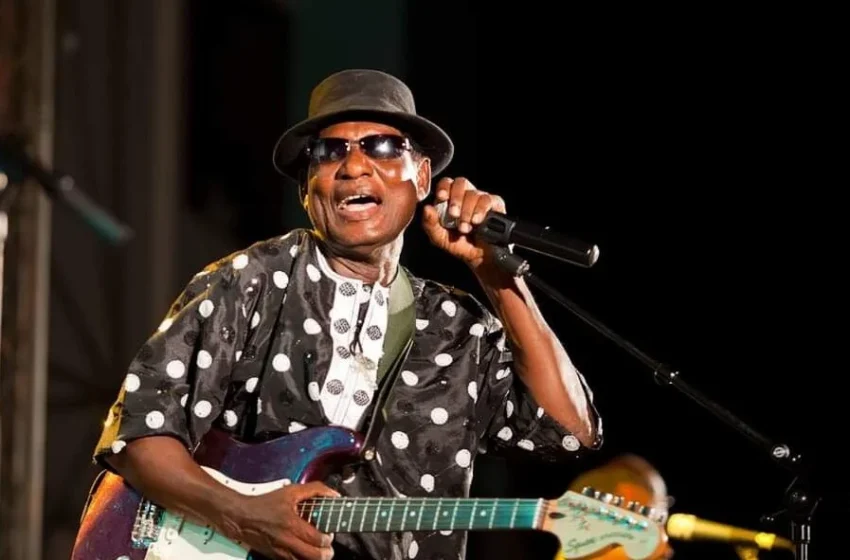
Ghana and the global music community are mourning the loss of one of Africa’s most influential musicians. Ebo Taylor, Ghanaian highlife legend, has passed away at the age of 90. His death marks the end of a powerful era in African music history. For more than six decades, Taylor shaped the sound of highlife and influenced Afrobeat, jazz, funk, and soul across West Africa and beyond.
From concert halls in Accra to global music festivals, his melodies connected people across cultures. Moreover, his music carried stories of identity, resilience, and pride. As tributes continue to pour in, many describe him as a pioneer whose sound helped place Ghanaian music on the world stage.
A Musical Journey That Shaped Generations
Ebo Taylor was born in Cape Coast, Ghana. From an early age, he showed deep interest in music. He learned to play the guitar and quickly became known for his smooth rhythms and rich harmonies. As a young musician, he joined popular bands of the time. These early experiences helped him refine his sound and performance style.
During the formative years of Ghana’s highlife movement, Taylor stood out as a creative force. While many artists followed traditional patterns, he experimented boldly. He blended Ghanaian rhythms with jazz chords and soulful grooves. As a result, his music felt both familiar and fresh. Consequently, his style attracted attention from fellow musicians and producers.
Later, he traveled abroad, where he interacted with other African artists and absorbed global influences. This exposure expanded his musical vision. When he returned home, he introduced new arrangements and sounds into Ghanaian music. Therefore, his work became more dynamic and more widely appealing.
The Evolution of Highlife Through His Sound
Highlife music reflects Ghana’s social life, celebrations, and cultural values. However, Ebo Taylor added new layers to the genre. He introduced stronger horn sections, complex guitar lines, and modern rhythms. In addition, he experimented with studio production techniques that were uncommon at the time.
As highlife evolved, Taylor remained at the forefront. He produced and arranged music not only for himself but also for other artists. Because of this, many musicians credit him for shaping their careers. Furthermore, his ability to mentor younger performers ensured that highlife continued to grow rather than fade.
Although trends changed over the decades, Taylor never abandoned his roots. Instead, he modernized tradition. This balance allowed his music to stay relevant across generations. Consequently, both older fans and younger listeners found meaning in his work.
Influence on Afrobeat and Contemporary Music
While Ebo Taylor is best known for highlife, his influence reached into Afrobeat and modern African music. He shared creative spaces with artists who later became icons in their own right. Through collaborations and exchanges of ideas, his sound helped shape emerging genres.
Afrobeat, known for its powerful rhythms and social commentary, shares deep roots with highlife. Taylor’s musical explorations contributed to this crossover. Moreover, his arrangements emphasized groove, repetition, and layered instrumentation. These elements later became central to Afrobeat’s identity.
In recent years, international artists sampled his music. Therefore, his work reached new audiences through hip-hop, electronic music, and contemporary pop. As a result, many young listeners discovered Ghanaian highlife for the first time through his recordings.
Cultural Impact Beyond Music
Ebo Taylor was more than a musician. He was a cultural ambassador. Through his sound, he told the story of Ghana’s heritage and modern evolution. His music celebrated everyday life, community, and African pride. Consequently, his songs resonated not only as entertainment but also as cultural expression.
Moreover, his work played a role in shaping how African music was perceived globally. At a time when African sounds were often marginalized, he demonstrated their richness and sophistication. Therefore, he helped change narratives and opened doors for future African artists on international stages.
Many cultural institutions and music scholars regard Taylor as a foundational figure. His recordings are studied for their structure, rhythm, and historical value. In addition, music schools and creative communities continue to reference his work as a model of innovation grounded in tradition.
A Mentor to Many, A Legend to All
Beyond his personal success, Taylor invested in others. He supported young musicians, offered guidance, and created opportunities for emerging talent. Because of this, his influence multiplied across generations. Several well-known artists today trace part of their development back to his mentorship.
Furthermore, he remained approachable despite his status. Many described him as humble and generous with knowledge. This human quality strengthened his legacy. It showed that greatness in art is not only about talent but also about how one uplifts others.
Even in his later years, he stayed connected to music. He continued to perform when possible and participated in cultural events. His presence reminded audiences of the roots of modern African sound. Therefore, his life became a living bridge between past and present.
The End of an Era, The Start of a Legacy
The death of Ebo Taylor, Ghanaian highlife legend, signals the close of a remarkable chapter in African music. However, his influence remains alive. His recordings continue to inspire producers, performers, and listeners around the world. Moreover, his story encourages young creatives to respect tradition while daring to innovate.
As Ghana reflects on his life, many remember him not only for his sound but also for his contribution to cultural identity. His music carried joy, reflection, and social meaning. Therefore, his legacy extends far beyond entertainment.
Conclusion
Ebo Taylor’s journey from a young guitarist in Cape Coast to a global musical icon reflects the power of dedication and creativity. Through highlife and Afrobeat, he shaped how African music is heard and appreciated. Although he is gone, his rhythm continues to move hearts.
In celebrating his life, we celebrate African music itself. His legacy reminds us that culture lives through sound, memory, and shared experience. Indeed, Ebo Taylor, Ghanaian highlife legend, will continue to echo in the music of today and tomorrow.