

Dangote to Prioritise Domestic Fuel Market in Nigeria
- News Nigeria
OurDailyAfrica Reporter
- 0
- 14 minutes read
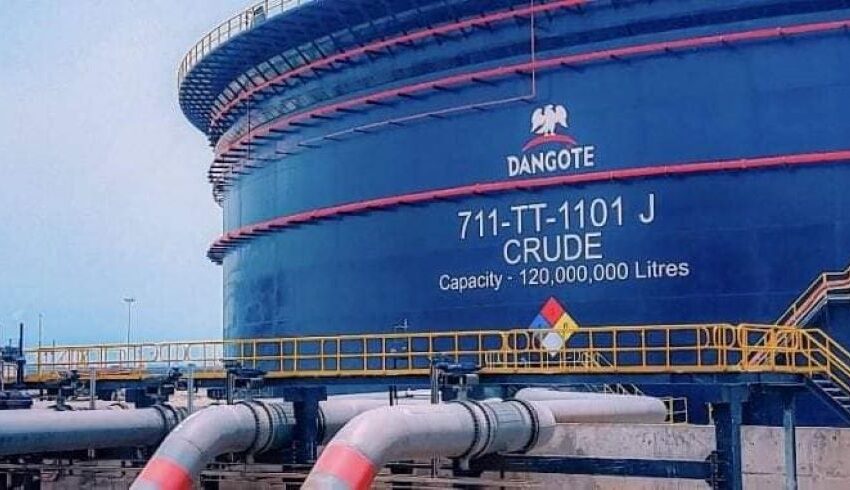
Nigeria’s largest refinery has announced plans to focus on supplying fuel to the domestic market. The decision aims to strengthen Nigeria’s energy security and stabilize fuel supply.
The refinery, owned by Nigerian industrialist Aliko Dangote, plans to prioritize local fuel distribution before expanding exports. This move comes amid rising global oil prices and increasing concerns about supply disruptions.
Energy analysts say the decision could play a major role in Nigeria’s fuel market. By focusing on local supply, the refinery may help reduce shortages and support price stability.
Furthermore, the development highlights the growing importance of domestic refining capacity in Nigeria.
Dangote Prioritise Domestic Fuel Market Strategy
The leadership of the refinery confirmed that domestic supply remains its main priority. The facility aims to ensure that Nigerian consumers receive adequate fuel supply despite global market volatility.
According to refinery officials, Nigeria’s internal demand will receive attention before international export commitments. Therefore, the company intends to protect the country’s energy needs first.
This strategy reflects a broader effort to reduce Nigeria’s dependence on imported petroleum products. For many years, Nigeria exported crude oil while importing refined fuel.
However, the new refinery seeks to change that pattern. Instead, it plans to refine crude oil locally and supply the domestic market efficiently.
Consequently, Nigeria may gradually reduce its reliance on imported fuel.
Rising Global Oil Prices Create Pressure
Global energy markets have experienced sharp changes in recent weeks. Oil prices have increased due to geopolitical tensions and supply uncertainty.
These developments have affected fuel markets around the world. Countries that depend heavily on fuel imports often face higher energy costs.
Nigeria also feels this pressure. When global crude prices rise, the cost of petrol and diesel often increases.
Therefore, strong domestic refining capacity becomes extremely important. Local refining helps countries maintain stable supply even during global disruptions.
Because of this situation, energy companies increasingly focus on strengthening local fuel production.
Importance of the Dangote Refinery
The Dangote refinery represents one of the largest industrial projects in Africa. The massive facility sits in the Lekki Free Trade Zone in Lagos State.
At full capacity, the refinery can process around 650,000 barrels of crude oil daily. This production level could meet Nigeria’s entire fuel demand.
In addition, the refinery can produce several petroleum products. These include petrol, diesel, aviation fuel, and petrochemical materials.
For decades, Nigeria struggled with limited refining capacity. Government-owned refineries faced operational difficulties and maintenance challenges.
As a result, Nigeria relied heavily on imported refined fuel.
However, the Dangote refinery aims to transform that situation. By refining crude oil locally, the facility could strengthen Nigeria’s energy independence.
Furthermore, increased refining capacity could support industrial development.
Economic Impact of Local Refining
Domestic refining offers several economic benefits. First, it reduces the need for large fuel imports.
Importing fuel often requires significant foreign currency. When domestic refineries supply fuel locally, the country can preserve valuable foreign exchange reserves.
Second, local refining supports job creation. Large industrial facilities require engineers, technicians, and logistics workers.
As a result, thousands of direct and indirect jobs emerge from such projects.
Third, domestic refining strengthens the national economy. Industries rely heavily on stable fuel supply.
When fuel availability improves, transportation, manufacturing, and agriculture can operate more efficiently.
Consequently, stronger refining capacity supports economic growth.
Government Cooperation Remains Essential
Despite its large scale, the refinery still requires strong cooperation with government authorities.
Stable access to crude oil supply remains essential for continuous operations. Nigeria produces crude oil locally, but consistent supply arrangements must exist.
Additionally, regulatory policies can influence refinery operations. Efficient administrative systems can help reduce operational costs.
Energy experts believe that strong collaboration between government agencies and private investors will benefit the entire sector.
Moreover, supportive policies can encourage further investment in Nigeria’s energy industry.
If such cooperation continues, the refining sector could expand significantly in the coming years.
Impact on Nigeria’s Fuel Market
Prioritizing the domestic fuel market could stabilize Nigeria’s energy supply. Fuel shortages have occurred several times in the past.
These shortages often caused long queues at filling stations and economic disruptions.
However, stronger local refining capacity can reduce such challenges.
When local refineries meet domestic demand, the country becomes less vulnerable to global supply disruptions.
Additionally, domestic supply can improve price stability.
While fuel prices still depend on international crude costs, local production helps soften sudden price increases.
Therefore, prioritizing local fuel supply may benefit both consumers and businesses.
Regional Influence in West Africa
The Dangote refinery also holds regional significance. Its massive capacity could influence fuel markets across West Africa.
Many neighboring countries import refined petroleum products from overseas markets.
However, Nigeria’s refining expansion could create a new supply hub within the region.
As production increases, Nigerian refineries could supply fuel to several African countries.
This development could reduce transportation costs and strengthen regional energy security.
Moreover, regional trade in petroleum products may grow significantly.
Therefore, the refinery could reshape the energy landscape across West Africa.
Challenges Facing the Refinery
Despite its potential, the refinery still faces several operational challenges.
First, global oil prices fluctuate constantly. These fluctuations affect production costs and pricing decisions.
Second, infrastructure plays a major role in refinery operations. Pipelines, storage facilities, and transportation systems must operate efficiently.
Without strong infrastructure, distribution challenges may occur.
Third, security issues sometimes affect energy infrastructure in Nigeria. Protecting pipelines and transportation routes remains important.
Finally, the refinery must adapt to evolving energy markets.
As renewable energy grows globally, oil producers must continuously adjust their strategies.
Nevertheless, industry analysts remain optimistic about the refinery’s long-term impact.
Nigeria’s Energy Future
Nigeria has long sought to develop a stronger domestic refining industry. For decades, the country exported crude oil but imported refined fuel.
This situation created economic challenges and supply vulnerabilities.
However, new refining projects signal a shift in strategy.
Private sector investment has introduced modern infrastructure and advanced technology into the industry.
If these investments succeed, Nigeria could transform into a major refining hub in Africa.
Such a transformation would improve energy security, strengthen industrial development, and increase export opportunities.
Therefore, the success of domestic refineries remains critical to Nigeria’s long-term economic future.
Conclusion
The decision by the Dangote refinery to prioritise Nigeria’s domestic fuel market reflects the growing importance of energy security.
Rising global oil prices and geopolitical tensions have highlighted the risks of heavy dependence on fuel imports.
By focusing on domestic supply, the refinery aims to stabilize Nigeria’s fuel availability and support economic growth.
At the same time, strong cooperation between government agencies and private investors will remain essential.
If managed effectively, Nigeria’s expanding refining capacity could transform the country’s energy sector and strengthen its position in Africa’s energy market.