
Congo Vote Count Begins as Denis Sassou Nguesso Eyes Fifth Term
- Dr congo News
OurDailyAfrica Reporter
- 0
- 14 minutes read
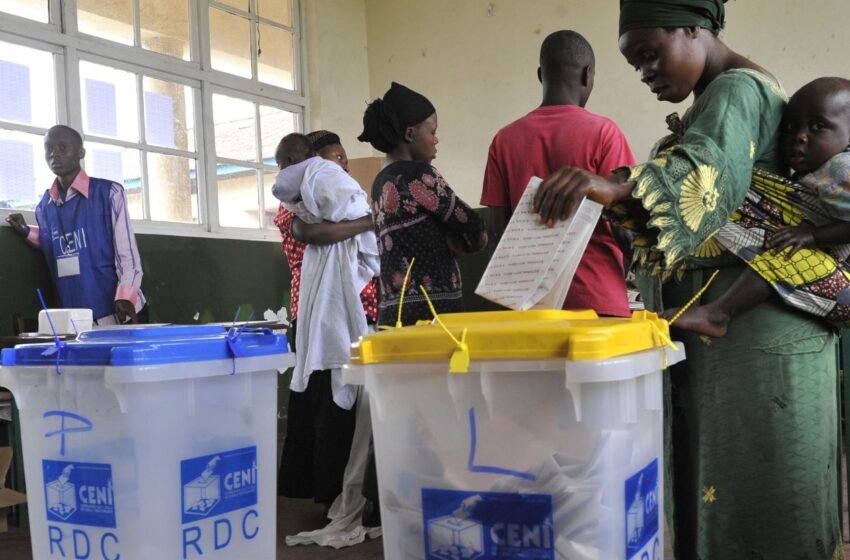
Election officials in the Republic of Congo have started counting ballots after the country’s latest presidential election. The vote could extend the decades-long leadership of Denis Sassou Nguesso, who is seeking a fifth presidential term.
Polling stations closed nationwide after voters cast their ballots throughout the day. Soon afterward, election authorities began transporting ballot boxes to official counting centers.
The vote counting process now continues under the supervision of electoral officials and observers. Preliminary results may appear in the coming days, while final certification will follow later.
This election represents an important moment in the country’s political history. If the results favor the incumbent president, his leadership could extend further into the future.
However, the election also highlights ongoing debates about political competition, governance, and economic development in the country.
Congo Vote Count Begins After Presidential Election
The Congo vote count started immediately after voting ended across the country. Election workers gathered ballots from polling stations and delivered them to counting facilities.
Millions of registered voters had the opportunity to participate in the election. Citizens voted in urban centers, regional towns, and remote rural communities.
Several candidates competed for the presidency. Nevertheless, many analysts predicted that the incumbent president would remain the leading contender.
Denis Sassou Nguesso has played a central role in Congo’s political system for decades. Consequently, this election could further extend his long political career.
Supporters say his administration has provided stability during periods of regional uncertainty.
Meanwhile, critics argue that stronger political competition could improve democratic governance.
Long Political Career of Denis Sassou Nguesso
President Denis Sassou Nguesso first assumed power in 1979. At that time, the country operated under a single-party political structure.
Later, the Republic of Congo introduced multiparty elections during the early 1990s.
As a result, Sassou Nguesso lost power after the 1992 presidential election.
However, political tensions escalated during the mid-1990s. Eventually, armed conflict erupted within the country.
Following the civil war in 1997, Sassou Nguesso returned to the presidency.
Since then, he has maintained political leadership through successive elections.
Over time, constitutional reforms have also influenced the country’s political system.
For example, changes removed presidential age limits and extended eligibility rules. Consequently, the current president has remained eligible to contest further elections.
Political Climate During the Election
The presidential election took place within a complex political environment.
Several opposition parties criticized aspects of the electoral process. Because of these concerns, some groups decided to boycott the vote.
Other opposition figures still participated in the race. These candidates traveled across the country and addressed public gatherings.
Their campaigns focused on issues such as economic reform, governance transparency, and job creation.
Despite these efforts, many political analysts expected the incumbent president to maintain strong support.
Nevertheless, the election still generated strong national interest.
Citizens across the country followed the political campaigns and election day events closely.
Voter Turnout and Public Participation
Reports from election day suggested mixed levels of voter turnout across different regions.
Some polling stations experienced steady voter participation throughout the day. However, other locations reported lower attendance.
Political analysts offered several explanations for this situation.
First, some voters expressed skepticism about the possibility of political change.
Second, economic hardship has affected public engagement in political activities.
Third, opposition boycott campaigns may have influenced participation levels.
Despite these factors, election authorities reported that voting proceeded peacefully in most areas.
Therefore, officials continued the vote-counting process without major disruptions.
Internet Disruptions Raise Concerns
During election day, internet connectivity in parts of the country experienced disruptions.
Digital monitoring organizations reported significant declines in online activity.
Government authorities did not immediately provide detailed explanations for the situation.
However, critics argue that internet restrictions can limit the flow of information during elections.
Journalists, civil society groups, and election observers often rely on digital communication tools.
Therefore, connectivity disruptions sometimes raise concerns about transparency.
Nevertheless, the electoral commission proceeded with vote counting according to established procedures.
Economic Challenges Facing the Country
While political developments dominate national attention, economic concerns remain important for many citizens.
The Republic of Congo possesses substantial natural resources, particularly oil reserves.
However, many communities continue facing economic hardship.
A large portion of the population struggles with limited employment opportunities.
Youth unemployment therefore remains a significant national issue.
Many young citizens seek greater economic prospects and improved living conditions.
During the election campaign, several candidates emphasized economic development policies.
They also proposed strategies for expanding employment opportunities.
Dependence on Oil Revenues
The national economy depends heavily on oil production and exports.
Oil revenues represent a major source of government income.
However, reliance on a single sector creates economic vulnerability.
When global oil prices decline, government revenue often falls sharply.
As a result, economists frequently recommend diversifying the national economy.
Agriculture, tourism, and technology sectors could support long-term growth.
Such diversification may also create new employment opportunities.
However, implementing economic reforms requires sustained investment and planning.
Political Stability and Economic Development
Political stability plays a crucial role in economic development.
Investors often evaluate governance and stability before committing financial resources.
Supporters of the current administration argue that long-term leadership provides continuity.
They believe consistent leadership supports policy implementation.
However, critics emphasize the importance of democratic competition.
They argue that competitive elections strengthen accountability and governance.
Consequently, debates about political reform continue shaping national discussions.
Future of Congo’s Political Landscape
The outcome of the election could influence the country’s political future.
If the incumbent president wins another term, his leadership will continue.
Such a result would extend one of the longest presidencies in modern African politics.
However, discussions about future leadership transitions may still emerge.
Many observers believe younger political figures could play larger roles in the coming years.
Therefore, the election represents both continuity and a potential turning point.
Regional political analysts continue monitoring the situation closely.
Awaiting Official Election Results
As the Congo vote count continues, citizens across the country await official announcements.
Election officials must verify results from every voting district.
After verification, the constitutional court will confirm the final outcome.
Until that process concludes, authorities have encouraged patience and calm.
Political leaders have also urged supporters to respect the official process.
Ultimately, the final results will determine the country’s political direction for the coming years.