

Chinese Duty-Free Access for South African Exports Signals New Era of Trade Growth
- News South Africa
OurDailyAfrica Reporter
- 0
- 10 minutes read
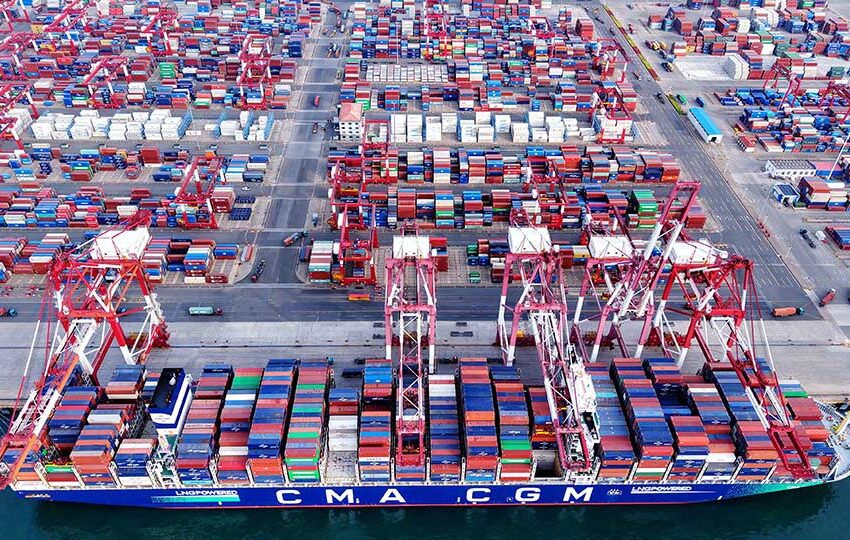
China’s latest decision to grant wider market access to selected South African goods marks a turning point in bilateral trade. As part of a broader trade cooperation push, Beijing plans to allow more South African products to enter the Chinese market without import duties. This move, therefore, offers fresh hope for exporters, manufacturers, and farmers across South Africa. At the same time, it reflects China’s strategic goal to deepen economic partnerships with African economies.
In recent years, South Africa has sought stronger access to Asian markets. Although Europe remains a key destination, China’s fast-growing consumer base presents huge potential. Consequently, the policy shift could unlock new revenue streams. It could also support job creation and industrial growth at home. Moreover, it signals a renewed commitment to South–South trade cooperation.
Chinese Duty-Free Access for South African Exports: What It Means
The expansion of Chinese duty-free access for South African exports focuses on reducing tariff barriers on selected goods. In practical terms, this means qualifying products can enter China at lower costs. As a result, South African exporters can price their goods more competitively. This advantage matters in China’s crowded marketplace, where price sensitivity remains high.
Furthermore, duty-free treatment can improve profit margins. Exporters often struggle with high logistics costs. However, when tariffs fall, businesses can absorb transport expenses more easily. Therefore, companies can reinvest savings into production, quality control, and marketing. Over time, this cycle can strengthen South Africa’s export capacity.
Notably, the move also aligns with China’s broader engagement with African partners. Beijing has pledged to expand trade volumes with Africa. It has also promised to support industrial development. Hence, the new duty-free measures fit into a longer-term economic strategy rather than a short-term gesture.
Key Sectors Poised to Benefit
Several sectors stand to gain from improved access to the Chinese market. Agriculture, in particular, is well positioned. South Africa exports citrus fruits, wine, nuts, and processed foods. With lower tariffs, these products can reach Chinese consumers at more competitive prices. In turn, demand could rise sharply.
Likewise, the manufacturing sector may benefit. Processed foods, beverages, and value-added agricultural goods often face higher tariffs. Now, however, duty-free treatment could encourage local processing. This shift would support industrialization goals. It would also create more jobs along the value chain.
Additionally, niche products may find new opportunities. Specialty teas, premium wines, and health foods have growing demand in China. Therefore, South African brands can tap into China’s expanding middle class. However, success will depend on quality standards, branding, and consistent supply.
Economic Impact on South Africa
The potential economic impact is significant. First, export growth can improve foreign exchange earnings. This outcome matters for a country that faces periodic currency volatility. Stronger export inflows can help stabilize the rand. They can also improve the trade balance.
Second, higher export demand can boost local production. Farmers may expand acreage. Manufacturers may invest in new equipment. As a result, employment could rise in rural and industrial areas. This outcome supports inclusive growth, which remains a key national priority.
Moreover, increased trade can attract foreign investment. When Chinese buyers commit to long-term supply contracts, they often support suppliers with financing or technology. Therefore, South African firms could gain access to better production methods. Over time, this transfer of skills can raise productivity across sectors.
Challenges and Readiness for Market Access
Despite the opportunities, challenges remain. Access alone does not guarantee success. Exporters must meet strict quality and safety standards. China enforces rigorous import regulations, especially for food products. Consequently, South African producers must ensure compliance with certification requirements.
In addition, logistics can pose hurdles. Shipping times to China are long. Cold-chain infrastructure is also critical for perishable goods. Therefore, investments in storage, packaging, and transport are essential. Without these upgrades, exporters may struggle to deliver consistent quality.
Market knowledge also matters. Chinese consumer preferences differ from those in Europe or Africa. For instance, packaging design, portion sizes, and flavor profiles can influence sales. Thus, exporters must conduct market research. They should also partner with local distributors who understand regional tastes.
Trade Policy and Diplomatic Significance
Beyond economics, the move carries diplomatic weight. Trade policy often reflects broader political ties. By extending duty-free access, China signals trust and partnership. In return, South Africa strengthens its role as a key African trade partner.
Furthermore, the initiative supports multilateral cooperation goals. South Africa is part of major economic groupings. Meanwhile, China promotes deeper ties with emerging markets. Therefore, the policy aligns with shared interests in diversifying global trade away from traditional Western markets.
At the same time, South Africa must balance its trade relationships. While China offers vast opportunities, dependence on a single market carries risks. Hence, policymakers should continue to diversify export destinations. This balanced approach can reduce vulnerability to external shocks.
How Businesses Can Prepare
To benefit fully, businesses must act strategically. First, companies should audit their product lines. They need to identify goods that qualify for duty-free access. Then, they should align production to meet Chinese standards.
Next, exporters should invest in branding. Chinese consumers value quality cues and trust marks. Therefore, clear labeling, strong storytelling, and consistent branding can improve market acceptance. Moreover, digital marketing plays a growing role in China. Firms should explore e-commerce platforms and social commerce channels.
In addition, collaboration can reduce risk. Export consortia allow small producers to pool resources. Through cooperation, they can meet large orders and share logistics costs. This model can help small and medium enterprises enter the Chinese market with less exposure.
Long-Term Outlook for Bilateral Trade
Looking ahead, the expansion of duty-free access could reshape bilateral trade patterns. Over time, trade volumes may grow steadily. As trust builds, both sides may negotiate further concessions. This gradual approach can deepen integration.
However, sustainable success depends on value addition. Exporting raw materials alone limits growth. Therefore, South Africa should prioritize processed goods. This strategy increases export earnings per unit. It also supports industrial development goals.
Moreover, skills development remains crucial. Training in export management, quality control, and international marketing can improve competitiveness. Public and private sector partnerships can play a role here. When institutions support exporters, the benefits spread across the economy.
Conclusion: A Strategic Opportunity for Growth
The expansion of Chinese duty-free access for South African exports represents more than a trade policy change. It offers a strategic opportunity for economic growth, job creation, and industrial upgrading. While challenges remain, the potential rewards are substantial.
With the right preparation, South African businesses can seize this opening. By investing in quality, logistics, and market understanding, exporters can build lasting relationships in China. Meanwhile, policymakers can support this transition through infrastructure development and trade facilitation.
Ultimately, the move highlights the power of trade to drive development. If managed well, this new chapter in China–South Africa relations can deliver shared prosperity for years to come.