

Burkina Faso Political Parties Dissolved as Military Government Reshapes Governance
- Burkina faso
OurDailyAfrica Reporter
- 0
- 13 minutes read
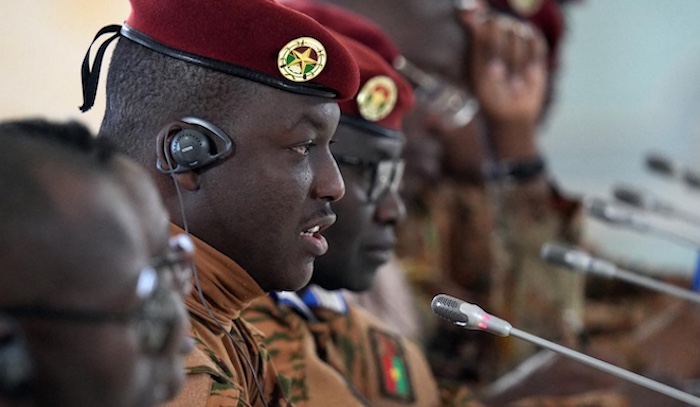
Burkina Faso political parties dissolved in sweeping transitional reform
Burkina Faso political parties dissolved under a dramatic decision by the country’s military government, which issued a decree disbanding every registered political party. The move marks a major shift in the nation’s political order, transferring party assets to the state and setting the stage for a restructured political system. Officials say the purpose is to unify the nation and build stability after years of turmoil. However, critics warn that removing formal party structures may further weaken democratic participation and civic engagement.
This transition reflects broader struggles within Burkina Faso as leaders balance governance reforms with persistent security challenges. The dissolution of political parties is seen as a symbol of both change and controversy in a country striving to chart a new political path.
Why Burkina Faso political parties dissolved now
The decision to dissolve Burkina Faso political parties came after extensive debate within transitional leadership circles. Authorities argued that the previous multiparty landscape was highly fragmented, contributing to division and political gridlock. Under this reasoning, abolishing formal political parties would allow the government to redesign the political framework in a way that could foster unity and clearer national direction.
Before this decree, more than one hundred political parties were registered in the country. Some had representation in the elected National Assembly, while others operated on the margins with limited influence. Following a political upheaval that began in 2022, the transitional authorities had already suspended party activities. Nevertheless, the legal recognition of those parties remained until the recent declaration fully removed their status.
Under the new plan, the Transitional Legislative Assembly will review proposed laws intended to create new rules for political organisation. These draft laws are expected to redefine how political groups form, how they are financed, and how they may participate in future elections.
Legal and institutional changes after parties were dissolved
Once Burkina Faso political parties dissolved, the government announced that all party property and financial assets now belong to the state. This transfer includes headquarters, equipment, vehicles and any financial reserves that parties held before dissolution. Placing these assets under state control reinforces the scale of the reform and the government’s intent to overhaul political structures.
Eliminating existing laws that governed party operation also means removing institutional positions linked to party politics, such as the official leader of the opposition. These changes will reshape the political environment and have profound implications for civil society and organised political groups during the transition.
The transitional leadership said that new legislation would outline conditions for future civic and political association structures. However, specific timelines and details remain unclear, and observers note that legal reforms may face delays as security and governance considerations take priority.
Burkina Faso’s recent political history and context
The dissolution of political parties did not occur in isolation. It reflects years of political turbulence that have disrupted Burkina Faso’s democratic institutions. In late 2022, military leaders took control of the government following internal disputes and leadership struggles. Since then, the transitional authorities postponed planned elections and gradually reshaped key institutions.
During this period, formal party activities were already curtailed, but the legal existence of parties remained. The recent action represents the most decisive step yet in redefining political life.
Security concerns, including ongoing threats from armed groups in the region, have influenced the government’s decision-making. Leaders contend that insecurity has eroded trust in the old political system and that rebuilding must begin with a fresh framework capable of responding to current realities.
Impact on democracy and civic participation
The decision to dissolve Burkina Faso political parties raises serious questions about the state of democracy and citizen participation. Political parties traditionally serve as vehicles for representation, advocacy and public accountability. Removing them entirely limits avenues for structured political voice and reduces the institutional platforms available for citizens to organise around shared causes and policy goals.
Critics argue that without formal parties, political life will be dominated by unelected authorities and informal networks, weakening channels for constructive political debate. This shift could also dampen enthusiasm among youth and other groups seeking active roles in governance.
Some civil society leaders express concern that the absence of party competition might restrict political pluralism and limit effective citizen engagement. The long-term effects on civic participation remain uncertain, but many observers believe that rebuilding political organisation will take time and require inclusive dialogue.
Government’s official justification for dissolving parties
Government officials have defended the dissolution as a necessary step toward national unity and administrative coherence. According to the authorities, the proliferation of political parties in the past created fragmentation rather than stability. By dissolving these parties and starting afresh, officials claim they can reduce division and create a more cohesive political environment.
Supporters of the move argue that the old system lacked effectiveness and that a reset is needed to address governance weaknesses. They also emphasise the importance of developing new laws that will better regulate how political groups form and operate in an environment shaped by recent security challenges.
The government maintains that redesigned political structures, once established, will be more capable of meeting the needs of the population and will support a more stable transition toward future elections.
Concerns from regional and international observers
Burkina Faso’s decision to dissolve all political parties has drawn attention from regional and international actors. In many neighbouring countries, political instability and transitional governments have changed how institutions function. As a result, observers are watching closely to see whether Burkina Faso’s approach influences political norms in the wider region.
Some regional leaders emphasise the importance of restoring democratic frameworks and maintaining commitments to human rights, even amid security challenges. They argue that political pluralism and open civic space are essential components of long-term governance stability.
International organisations also underscore the importance of clear timelines for returning to democratic elections and reinstating mechanisms that allow citizens to participate freely in governance.
The role of the Transitional Legislative Assembly
The Transitional Legislative Assembly is expected to play a central role in shaping the future of political organisation in Burkina Faso. Proposed laws that will regulate political associations, party financing, civic engagement and electoral participation must pass through this body.
These discussions present an opportunity to build new rules that balance stability, inclusion and representation. However, the timetable for these reforms is not yet fully defined. As the assembly debates proposals, political actors and citizens alike will monitor how the process unfolds.
The success of this legislative effort will influence public confidence in the reimagined political system and determine whether reformed institutions can replace the dissolved parties in providing representation and accountability.
Public reaction and emerging civic discourse
Public response to the dissolution of political parties has been mixed. Some citizens express hope that the move could reduce political fragmentation and lead to more effective governance. They argue that the old multiparty system was characterised by personal rivalries and limited impact on everyday life.
Others view the decision with concern, fearing that restrictions on formal political organisation may weaken citizen voice and diminish opportunities for meaningful political participation. Youth groups and community leaders emphasise the need for clear pathways toward reinstating representative structures that can reflect diverse views and interests.
Amid these debates, civic discourse continues to evolve, with increased emphasis on how to balance unity, stability and democratic inclusion in a post-conflict society.
Prospects for future governance and elections
Looking ahead, the future of Burkina Faso’s political landscape depends on how transitional reforms unfold. The creation of new legal frameworks for political organisation will be crucial. If these frameworks are inclusive and transparent, they may allow for the re-emergence of structured civic engagement and eventually pave the way for elections.
However, progress will depend on balancing security priorities with democratic principles. Political actors, civil society and international partners will have a role in ensuring that reforms respect human rights and promote fair participation.
The path forward may be complex, but establishing clear rules for political life and return to elections remains a central objective for many observers who view representative governance as essential for long-term stability.
Conclusion
The decision to dissolve political parties in Burkina Faso represents a bold and controversial transformation in the country’s transitional governance. By ending the legal status of all registered parties and transferring their assets to the state, the military government has fundamentally reshaped the political landscape. While leaders argue that this step will foster unity and allow for redesigned political structures, critics warn that it risks limiting democratic participation and reducing civic space.
As new laws are developed and the Transitional Legislative Assembly engages in reform efforts, the coming months will be critical for determining how governance will evolve. Ultimately, the balance between security, representation and inclusivity will define the future of Burkina Faso’s political system.