

Burkina Faso Bans Political Parties in Major Political Shift
- Burkina faso News
OurDailyAfrica Reporter
- 0
- 6 minutes read
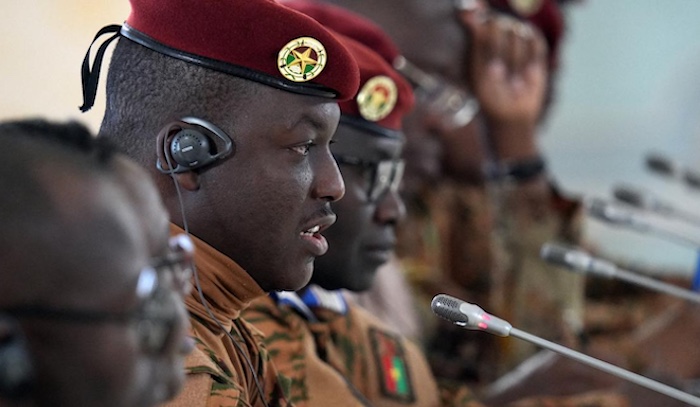
Burkina Faso’s transitional parliament has approved a sweeping bill to ban all political parties, marking a significant change in the West African nation’s political landscape. The move ends formal party-based politics and signals a broader shift in governance under the current transitional authorities. Analysts and citizens alike are considering the implications for democratic participation and civic freedoms.
The bill passed with broad support among lawmakers, reflecting the transitional leadership’s desire to consolidate power. It repeals laws governing the formation, financing, and activities of political parties. As a result, multiparty competition is no longer legally recognized, at least until further reforms are introduced.
Since the military takeover in 2022, political party activities have been increasingly restricted. The recent parliamentary approval formalizes this trend by eliminating the legal framework that allowed political parties to operate. Observers note that this step strengthens centralized control while redefining the nation’s political order.
What the Ban Entails
The new law dissolves all existing political parties. Organisations that once competed in parliamentary and local elections no longer have legal status. The legislation also repeals regulations concerning party financing and campaign oversight. Without these frameworks, formal political organization cannot function.
State authorities plan to transfer the assets of former parties to the government. Officials argue that numerous political parties created divisions and instability. The ban, they claim, will promote national unity and enable more cohesive governance under the transitional agenda. Citizens now face the sudden removal of formal avenues for political engagement and representation.
Historical Context
Before the 2022 military coup, Burkina Faso had a vibrant multiparty system with over 100 registered parties. Multiple parties competed in elections, representing diverse ideologies and regional interests. The political environment allowed citizens to participate in structured electoral processes.
After the September 2022 coup, led by Captain Ibrahim Traoré, political tension rose. Initial promises of a return to democratic governance were repeatedly delayed. Political activities were curtailed, elections postponed, and independent institutions weakened. The new ban institutionalizes this erosion of multiparty democracy.
Government Justification
Officials argue that the proliferation of parties weakened national unity and slowed decision-making, especially amid pressing security challenges. They frame the ban as a step toward rebuilding the state and creating a more cohesive governance system. According to this view, consolidating power temporarily is necessary to stabilize the country.
Critics disagree, saying the ban undermines democratic engagement. Multiparty competition allows citizens to organize, voice concerns, and offer alternatives to ruling authorities. Without such structures, the scope for civic participation and opposition is severely limited.
Regional and International Reactions
The ban has drawn concern from regional organizations and international rights groups. Observers warn that restricting political freedoms contradicts human rights standards and limits citizen participation. The United Nations and other global bodies have urged Burkina Faso to reconsider, emphasizing the importance of political pluralism and civil liberties.
Human rights organizations also note increased censorship, restrictions on civil society, and detention of political figures. They warn that banning parties without alternative participation channels risks undermining public trust and governance legitimacy.
Implications for Burkina Faso’s Political Future
The approval of the ban represents a turning point in Burkina Faso’s transition. The timeline and framework for restoring political competition remain unclear. Authorities suggest that new laws could eventually allow political participation, but details are uncertain. Analysts caution that limiting citizen engagement could lead to discontent, instability, or alternative forms of political resistance.
The move may also influence neighboring countries experiencing tensions between military rule and democratic governance. How Burkina Faso balances security, governance, and citizen participation could have broader regional implications.
Challenges Ahead
Burkina Faso faces multiple challenges beyond political reform. Armed groups control significant territory, economic pressures remain high, and public trust in institutions is strained. Experts argue that any future political framework must balance security concerns with inclusive citizen representation. The transitional authorities’ approach to this balance will shape the country’s political and social future for years to come.
Conclusion
By banning political parties, Burkina Faso’s parliament has reshaped the nation’s political system. While authorities argue the change promotes unity and stability, critics warn it weakens democracy and limits citizen participation. The decision marks a pivotal moment in the country’s transitional process, raising questions about the future of governance, civil liberties, and political engagement.