

Association Empowering Black Fashion Designers to Break Through on Global Runways
- News Nigeria
OurDailyAfrica Reporter
- 0
- 10 minutes read
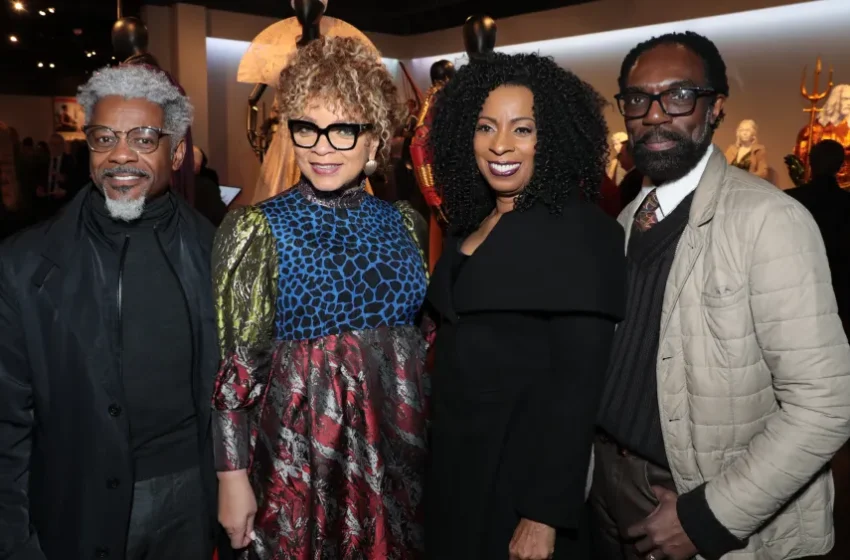
The global fashion industry continues to evolve, yet meaningful representation remains uneven. While diversity has become a popular talking point, Black fashion designers still face significant barriers to visibility, access, and long-term success. In response, one association has emerged as a powerful force dedicated to changing that reality by helping Black fashion designers make it on the runways and into mainstream fashion spaces.
Through mentorship, advocacy, and strategic partnerships, this association is reshaping opportunities for designers who have long been excluded from the industry’s most influential platforms. Its work highlights both the challenges within global fashion and the possibilities that arise when inclusion becomes intentional rather than symbolic.
How the Association Helping Black Fashion Designers Make It on the Runways Was Founded
The association was founded out of lived experience. Its creator, a fashion advocate of African descent based in Europe, noticed a consistent pattern of exclusion within the fashion world. Despite the presence of creative talent from Black designers, major fashion institutions often overlooked them.
This lack of representation was not rooted in ability but in access. Many talented designers lacked professional networks, mentorship, and exposure. As a result, their work rarely reached influential runways or global buyers.
To address this gap, the association was created with a clear mission: to support Black fashion designers by giving them tools, platforms, and visibility needed to succeed. Over time, that mission expanded into a structured programme aimed at transforming careers rather than offering short-term opportunities.
Mentorship as a Foundation for Long-Term Success
At the heart of the association’s work is mentorship. Many emerging designers possess creativity and skill but struggle with the business side of fashion. Therefore, the organisation focuses on teaching designers how to build sustainable careers.
Mentorship programmes cover garment production, branding, pricing, and supply chains. Designers also learn how to present collections professionally and communicate their vision clearly. These skills are essential for competing in a global industry.
Moreover, mentorship creates confidence. Designers who once doubted their place on international runways begin to see their value. As a result, they approach opportunities with greater clarity and purpose.
Creating Visibility in an Industry Built on Exposure
Visibility remains one of the biggest challenges for Black designers. Without runway access, even the most innovative collections struggle to gain attention. Recognising this, the association prioritises showcasing designers through curated fashion events and presentations.
Runway shows organised by the association allow designers to present their work to industry professionals, media, and buyers. These moments often serve as career-changing opportunities. Designers gain recognition that would otherwise take years to achieve.
In addition, awards and recognition events celebrate excellence within Black fashion. These platforms not only highlight talent but also challenge outdated narratives about who belongs in high fashion spaces.
Breaking Structural Barriers in the Fashion Industry
The association helping Black fashion designers make it on the runways operates within a system that has historically excluded them. Fashion institutions often rely on legacy networks that favour established names and familiar backgrounds.
However, the association challenges this structure by advocating for inclusion at an institutional level. Through partnerships with fashion councils and industry leaders, it pushes for long-term change rather than temporary diversity initiatives.
These collaborations open doors previously closed to designers of colour. By placing Black designers on respected runways, the association helps normalise diversity rather than treating it as an exception.
Navigating Economic Challenges and Industry Shifts
Progress within the fashion industry is rarely linear. Economic downturns and shifting trends have affected funding for diversity initiatives. At times, public attention fades, and inclusion efforts lose momentum.
Despite these challenges, the association remains resilient. Instead of relying solely on public movements, it focuses on building sustainable partnerships. This strategy ensures continuity even when the fashion industry faces financial uncertainty.
Furthermore, the association adapts its programmes to changing realities. By investing in digital exposure and education, it continues supporting designers regardless of market conditions.
Success Stories That Reflect Real Impact
Several designers supported by the association have progressed from local showcases to international runways. Their journeys demonstrate how targeted support can transform talent into recognised brands.
Many began with small collections and limited exposure. Through mentorship and runway opportunities, they refined their skills and expanded their reach. Today, some collaborate with established fashion houses or present collections during major fashion events.
These success stories matter. They provide proof that inclusion produces excellence and that opportunity, not ability, has been the missing link for many Black designers.
Cultural Representation and Global Fashion
Fashion is more than clothing. It reflects culture, history, and identity. When Black fashion designers gain runway access, they introduce narratives often missing from mainstream fashion.
Their designs draw inspiration from heritage, modern African aesthetics, and global Black experiences. As a result, the fashion industry becomes richer and more reflective of the world it serves.
This cultural exchange benefits audiences and brands alike. Consumers increasingly seek authenticity, and diverse designers offer perspectives that resonate globally.
Why Representation on the Runways Matters
Runway representation influences industry standards. Designers featured on major runways attract buyers, media coverage, and investment. Therefore, exclusion from these spaces has long-term economic consequences.
By helping Black fashion designers make it on the runways, the association directly impacts career sustainability. Designers gain access to markets, collaborators, and resources necessary for growth.
Additionally, representation inspires future generations. Young creatives seeing designers who look like them succeed are more likely to pursue fashion careers.
Looking Ahead: The Future of Inclusive Fashion
The association’s long-term vision extends beyond individual success stories. Its goal is systemic change. By embedding diversity into fashion institutions, it aims to make inclusion permanent rather than performative.
Future plans include expanding mentorship programmes, strengthening global partnerships, and increasing access for designers across Africa and the diaspora. With sustained effort, the association hopes to redefine what global fashion looks like.
Ultimately, the work being done shows that inclusion strengthens creativity, drives innovation, and reflects reality more accurately.
Conclusion
The association helping Black fashion designers make it on the runways is reshaping an industry that has long struggled with representation. Through mentorship, visibility, and advocacy, it provides pathways where none previously existed.
While challenges remain, progress is visible. Designers once excluded are now stepping onto international runways with confidence and purpose. As fashion continues to evolve, initiatives like this ensure that talent, not background, defines success.