

Algeria and France Restore Security Cooperation After French Interior Minister Visit
- Algeria News
OurDailyAfrica Reporter
- 0
- 13 minutes read
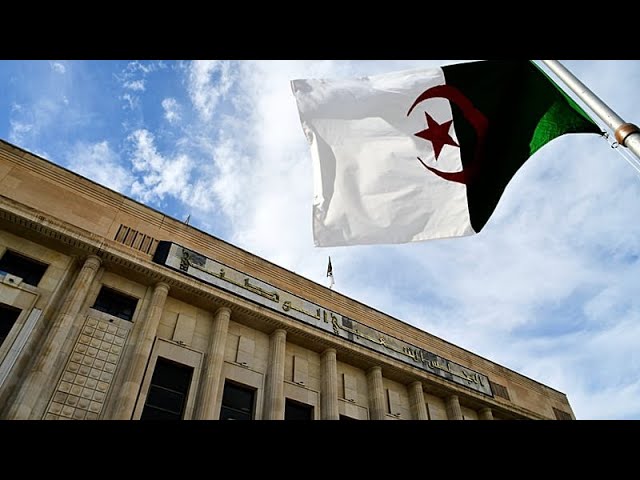
Algeria and France restore security cooperation after French interior minister visit, marking a significant diplomatic shift between the two nations. Following months of strained relations, leaders from both countries agreed to reactivate high-level coordination on intelligence, policing, migration, and counterterrorism. This renewed engagement reflects a pragmatic effort to stabilise bilateral ties while addressing shared security concerns.
The visit by France’s Interior Minister to Algiers created an opportunity for constructive dialogue. During high-level meetings, both governments signalled a clear willingness to move beyond recent tensions. As a result, officials confirmed the reactivation of structured security cooperation mechanisms that had slowed in recent years.
This development signals more than diplomatic courtesy. It represents a strategic recalibration in a historically complex relationship.
Why Algeria and France Restore Security Cooperation After French Interior Minister Visit Matters
Security cooperation between Algeria and France carries regional importance. Algeria remains a key security actor in North Africa and the Sahel. France, meanwhile, maintains strong strategic interests in counterterrorism and migration management across the region.
Therefore, when Algeria and France restore security cooperation after French interior minister visit, the decision influences broader regional stability.
Both countries face shared threats. These include transnational crime, irregular migration networks, extremist movements, and organised trafficking operations. Consequently, coordinated intelligence sharing becomes essential.
Moreover, judicial collaboration allows authorities to manage extradition processes and criminal investigations more efficiently. Stronger policing frameworks also help disrupt cross-border criminal networks before they expand.
Background: A Relationship Marked by Tension
Although Algeria and France share deep historical ties, their relationship has often fluctuated. Historical grievances linked to France’s colonial rule in Algeria continue to shape public and political discourse.
In recent years, additional diplomatic disagreements intensified friction. Migration policies created tension. Political positions on regional disputes also affected bilateral trust.
As a result, security coordination slowed. However, neither country benefited from prolonged disengagement.
Recognising this reality, leaders opted for pragmatic dialogue. The recent visit created space for recalibration. Instead of focusing on unresolved disputes, officials prioritised shared interests.
This shift demonstrates diplomatic maturity. It also underscores the importance of strategic realism in modern geopolitics.
Key Areas of Renewed Cooperation
The agreement covers several critical security sectors.
1. Intelligence Sharing
First, both governments agreed to enhance intelligence exchange. Improved information flow strengthens early threat detection. Furthermore, real-time data coordination improves operational planning.
Modern security challenges evolve quickly. Therefore, intelligence collaboration allows both countries to respond proactively rather than reactively.
2. Counterterrorism Coordination
Second, counterterrorism remains central. Algeria plays a stabilising role in the Sahel region. France also maintains security interests in the area.
By restoring cooperation, both nations reinforce joint monitoring of extremist networks. Additionally, coordinated analysis enhances preventative strategies.
3. Judicial Cooperation
Third, judicial collaboration will improve legal processes. This includes facilitating extraditions and sharing investigative evidence. Clear legal coordination strengthens accountability while respecting sovereignty.
4. Migration Management
Migration remains sensitive. However, both sides acknowledged the need for structured dialogue. Readmission agreements and legal migration frameworks require consistent communication.
Therefore, restoring security cooperation creates channels for balanced migration discussions.
Regional Implications for North Africa and the Sahel
The decision extends beyond bilateral diplomacy. Algeria borders volatile regions affected by insurgency and organised crime. Consequently, its security posture influences neighbouring states.
When Algeria and France restore security cooperation after French interior minister visit, they reinforce a broader stabilisation framework.
Improved coordination may disrupt trafficking corridors. It may also enhance monitoring of extremist activity in cross-border zones.
Furthermore, stronger bilateral cooperation can support multilateral initiatives. Regional partnerships depend on strong anchor states. Algeria remains one of them.
Therefore, this renewed engagement contributes indirectly to wider regional resilience.
Strategic Motivations Behind the Shift
Both countries approached the talks with strategic calculation.
For Algeria, stability remains a priority. Security threats require sustained resources and intelligence depth. International partnerships can complement national capacity.
For France, maintaining constructive ties with Algeria supports broader African policy objectives. Engagement also enhances counterterrorism effectiveness.
However, both governments emphasised respect for sovereignty. The cooperation framework does not compromise national authority. Instead, it enhances operational capability through partnership.
This balance remains critical. Public perception often influences foreign policy. Transparent communication therefore strengthens legitimacy.
Diplomatic Significance of the Visit
High-level visits often signal turning points. The French interior minister’s engagement demonstrated intent to rebuild trust.
Face-to-face dialogue reduces misunderstanding. It also allows leaders to address sensitive issues privately before public announcements.
Moreover, symbolism matters in diplomacy. The visit conveyed respect and recognition of Algeria’s regional importance.
By agreeing to restore structured cooperation mechanisms, both governments moved from rhetoric to action.
Challenges Ahead
Despite renewed momentum, challenges remain.
Historical sensitivities continue to influence public opinion. Migration debates can quickly generate political tension. Additionally, regional instability may test coordination capacity.
Therefore, sustained commitment will determine long-term success.
Implementation requires technical coordination, regular review meetings, and clear communication channels. Without consistent follow-through, progress may slow again.
However, both sides appear aware of these risks. The agreement reflects careful negotiation rather than symbolic gesture.
A Pragmatic Path Forward
The renewed cooperation suggests a shift toward pragmatic diplomacy. Instead of allowing disagreements to dominate relations, both countries prioritised shared security goals.
This approach reflects modern geopolitical realities. Global threats increasingly require collaborative solutions. Isolation rarely strengthens security.
Furthermore, restoring cooperation does not erase historical debates. Rather, it creates structured engagement despite differences.
Such pragmatism strengthens diplomatic resilience.
Broader Geopolitical Context
Security alliances in North Africa continue to evolve. Global powers seek stable partnerships across the continent. Algeria’s strategic location enhances its diplomatic leverage.
Meanwhile, France recalibrates its African engagement strategy. Cooperative frameworks based on mutual respect become increasingly important.
Therefore, when Algeria and France restore security cooperation after French interior minister visit, they adapt to changing geopolitical dynamics.
The agreement reflects recognition that stability demands cooperation rather than rivalry.
Conclusion
Algeria and France restore security cooperation after French interior minister visit in a move that reshapes bilateral engagement. By reactivating intelligence sharing, judicial collaboration, counterterrorism coordination, and migration dialogue, both nations prioritise stability over discord.
Although historical tensions persist, pragmatic diplomacy now guides the relationship. The renewed partnership strengthens regional security while reinforcing mutual strategic interests.
Ultimately, this development represents a calculated step toward balanced cooperation. If sustained, it may redefine Algeria-France relations within a more stable and forward-looking framework.