

African Leaders Look to the Future at World Governments Summit in Dubai
- News Nigeria South Africa
OurDailyAfrica Reporter
- 0
- 7 minutes read
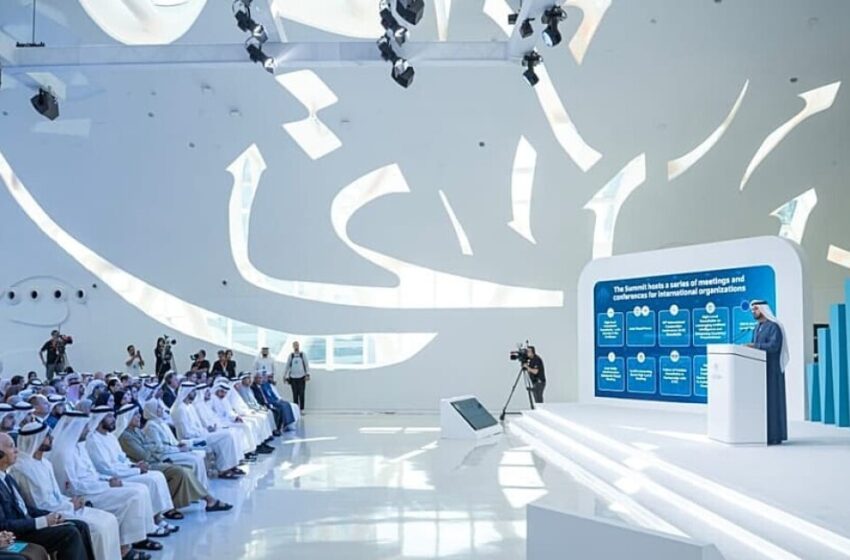
African Leaders Look to the Future at World Governments Summit in Dubai
African leaders have joined global policymakers at the World Governments Summit in Dubai, using the high-level forum to discuss the future of governance, economic reform, and international cooperation. The summit brings together heads of state, ministers, and policy experts to examine how governments can respond to rapid global change and build more resilient public institutions.
The presence of African leaders at the summit reflects the continent’s growing engagement in global policy discussions. It also signals a desire to shape future governance models that support development, stability, and inclusive growth across Africa.
Africa’s Role in Shaping Future Governance
At the summit, African leaders stressed the need for governance systems that are transparent, accountable, and responsive to citizens. Several leaders highlighted the importance of strong public institutions in promoting national stability and attracting long-term investment. They noted that weak governance remains a major barrier to development in many parts of the continent.
Discussions focused on policy reforms aimed at strengthening state capacity, improving public service delivery, and enhancing trust between governments and citizens. Leaders also emphasised that future governance must be people-centred, with policies designed to meet the real needs of communities.
Economic Reform and Investment Priorities
Economic transformation featured prominently in the discussions. African leaders outlined priorities such as infrastructure development, industrial growth, and private sector expansion. They called for stronger partnerships with international investors to support job creation and economic diversification.
The summit provided a platform for African governments to present the continent as a destination for investment. Leaders highlighted Africa’s large and youthful population, growing consumer markets, and strategic importance in global trade. They urged global partners to engage with Africa through fair and balanced economic partnerships.
Innovation and Digital Development
Technology and innovation were key themes at the summit. African leaders discussed how digital tools can improve government efficiency and expand access to public services. Topics included digital identity systems, e-government platforms, and the use of data in policymaking.
Participants acknowledged that many African countries still face gaps in digital infrastructure and skills. Leaders called for increased investment in broadband access, digital education, and local technology ecosystems. They stressed that digital transformation should be inclusive and must not deepen existing inequalities.
Youth Development and Skills for the Future
Leaders at the summit also focused on Africa’s young population and the urgent need to create employment opportunities. With millions of young people entering the labour market each year, education and skills development remain central to Africa’s future.
Discussions highlighted the importance of aligning education systems with labour market needs. Leaders called for stronger support for vocational training, entrepreneurship, and innovation hubs. They noted that investing in youth is essential for long-term economic growth and social stability.
Climate Change and Sustainable Growth
Climate change was another key topic of discussion. African leaders spoke about the growing impact of extreme weather, food insecurity, and environmental degradation across the continent. They called for stronger international support to help African countries adapt to climate risks.
Leaders also highlighted opportunities in renewable energy, sustainable agriculture, and green industries. They stressed that Africa can pursue development while protecting the environment, provided that fair climate financing and technology transfer mechanisms are in place.
Strengthening Global Partnerships
On the sidelines of the summit, African leaders held bilateral meetings with counterparts from other regions. These engagements focused on trade, security cooperation, technology transfer, and development finance. Leaders described the summit as a valuable platform for building strategic partnerships and strengthening diplomatic ties.
They also emphasised the importance of South-South cooperation and regional collaboration. Stronger partnerships within Africa and with global partners were presented as key to addressing shared challenges and promoting stability.
Looking Ahead
As the World Governments Summit continues, African leaders are expected to carry forward the ideas and commitments discussed in Dubai into national and regional policy agendas. The summit has reinforced the importance of forward-looking governance, innovation, and cooperation in addressing today’s complex global challenges.
The participation of African leaders at this global forum reflects a broader shift in how Africa engages with the world. Rather than being passive recipients of policy decisions, African governments are increasingly seeking to influence global conversations and shape their own development pathways.