

African Economic Growth Threatened as Oil Prices Surge
- News Nigeria South Africa
OurDailyAfrica Reporter
- 0
- 14 minutes read
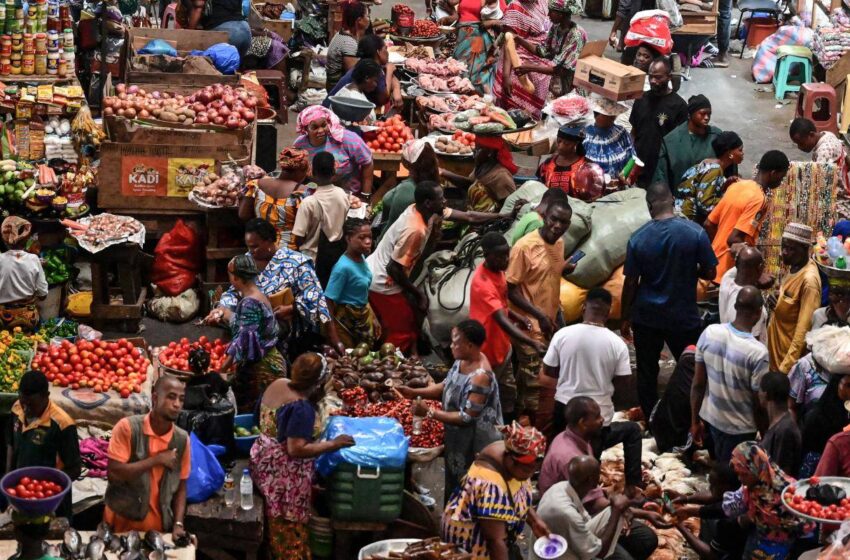
African economies face new challenges as global oil prices rise sharply. The sudden increase in fuel costs could weaken economic recovery across the continent.
Many African countries rely heavily on imported petroleum products. Therefore, rising oil prices quickly affect transportation, manufacturing, and electricity production.
Economists warn that the surge in oil prices could slow economic growth in several African nations. Higher fuel costs often increase inflation and reduce purchasing power. Consequently, businesses and households experience greater financial pressure.
Experts say African economies remain vulnerable to global energy shocks. When oil prices rise rapidly, governments must adjust economic policies to protect their economies.
As a result, the recent oil price surge has raised concerns among policymakers and financial institutions.
African Economic Growth Threatened by Rising Oil Prices
The phrase African economic growth threatened now reflects a growing concern among economic analysts. Rising oil prices could reduce economic expansion across the continent.
The African Development Bank previously projected that Africa’s economy would grow by about 4.3 percent in 2026. However, energy market disruptions now threaten that forecast.
Energy regulators say the impact could be significant. If the price surge continues, Africa’s economic growth could drop by several percentage points.
Higher oil prices increase the cost of goods and services. Transportation costs rise first. Afterward, the increase spreads across the entire economy.
Therefore, rising fuel costs could trigger broader inflation across many African economies.
Global Energy Crisis Driving Oil Price Surge
The current surge in oil prices largely stems from global geopolitical tensions. Conflicts in key energy-producing regions have disrupted oil supply chains.
In particular, tensions in the Middle East have affected global oil transportation routes. These disruptions have pushed oil prices above $100 per barrel, the highest level in several years.
When global supply falls, oil markets react quickly. Prices rise as countries compete for limited supply.
Unfortunately, many African countries depend on imported fuel. As a result, price increases affect them more severely than oil-producing nations.
Therefore, global energy instability often creates economic pressure across the African continent.
Oil-Importing Countries Face the Biggest Risks
Most African nations import refined petroleum products. Because of this dependence, rising oil prices can significantly strain national budgets.
Countries such as Kenya, South Africa, and Tanzania rely heavily on imported fuel for transportation and electricity generation.
When oil prices increase, these governments must spend more on fuel imports. This situation often widens trade deficits and weakens national currencies.
In addition, businesses must pay higher operational costs.
Transport companies pay more for diesel. Farmers spend more on fuel for machinery. Manufacturers face rising production costs.
Consequently, higher fuel prices often translate into higher consumer prices.
Inflation Pressures Increase Across the Continent
One major effect of rising oil prices is inflation.
Fuel plays a central role in most economic activities. Therefore, when fuel costs rise, many goods and services become more expensive.
Food prices often increase because transportation costs rise. Energy-intensive industries also pass higher costs to consumers.
As a result, inflation rates may rise across several African economies.
Higher inflation reduces household purchasing power. Families must spend more on essential goods such as food and transportation.
Therefore, economic inequality may increase during periods of high energy prices.
Governments may also struggle to maintain economic stability under such conditions.
Central Banks Face Difficult Policy Choices
Rising oil prices also complicate monetary policy decisions.
Many African central banks recently began reducing interest rates after inflation showed signs of slowing.
However, the sudden increase in fuel prices could reverse that progress.
Central banks may need to raise interest rates again to control inflation.
Higher interest rates can help stabilize currencies and reduce inflation pressures.
However, they can also slow economic growth by increasing borrowing costs.
Therefore, policymakers face difficult decisions while managing the current energy crisis.
Oil-Producing Countries May See Temporary Benefits
Although many African countries suffer from rising oil prices, some oil-producing nations may benefit.
Countries such as Nigeria and Angola export crude oil. Higher oil prices can increase government revenue from oil exports.
In theory, this additional revenue could strengthen national budgets.
However, experts warn that the benefits may be temporary.
Even oil-producing countries often import refined fuel products. Therefore, higher global fuel prices can still increase domestic costs.
Furthermore, global economic instability can reduce demand for oil exports.
Consequently, oil-exporting nations may not experience long-term benefits from price increases.
Energy Security Becomes a Major Concern
The oil price surge highlights a broader issue: energy security in Africa.
Many countries lack sufficient local refining capacity. As a result, they depend heavily on imported petroleum products.
This dependence increases vulnerability to global energy shocks.
Experts therefore emphasize the importance of strengthening domestic energy infrastructure.
Investing in local refineries could reduce dependence on imports.
In addition, expanding renewable energy sources could help reduce long-term reliance on fossil fuels.
Solar, wind, and hydroelectric power offer alternatives that can stabilize energy supply.
Consequently, many policymakers now support stronger investment in energy diversification.
Governments Seek Solutions to Protect Economies
African governments are already exploring ways to manage rising fuel costs.
Some countries may introduce temporary fuel subsidies to protect consumers.
Others may release fuel reserves to stabilize supply.
However, subsidies can place heavy pressure on government budgets.
Therefore, policymakers must balance economic support with fiscal responsibility.
In addition, governments may strengthen economic partnerships to improve energy security.
Regional cooperation could help countries share resources and stabilize supply chains.
Consequently, economic coordination across Africa may become increasingly important.
Long-Term Economic Risks Remain
The oil price surge may also have long-term economic consequences.
Sustained high energy prices could discourage investment and slow industrial growth.
Companies often delay expansion during periods of economic uncertainty.
Furthermore, rising inflation can reduce consumer spending.
When households spend less, businesses generate lower revenue.
This cycle can weaken economic growth across multiple sectors.
Therefore, policymakers must monitor energy markets carefully.
Effective economic planning will remain essential in managing future energy shocks.
Conclusion
The surge in global oil prices presents a serious challenge for African economies. The situation demonstrates how external energy shocks can quickly affect economic stability.
Because many African countries depend on imported fuel, they remain vulnerable to global market fluctuations.
Higher fuel prices increase inflation, strain government budgets, and complicate monetary policy decisions.
Although oil-exporting countries may experience short-term gains, the broader economic impact could still be negative.
Therefore, strengthening energy security and diversifying energy sources will remain essential.
If African nations invest in resilient energy systems and stronger economic policies, they can better withstand future global energy shocks.