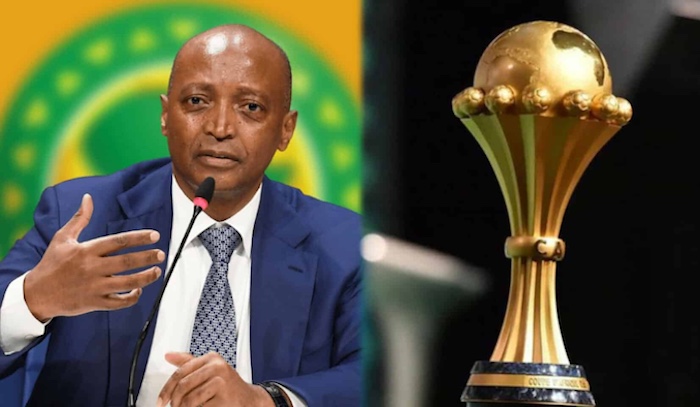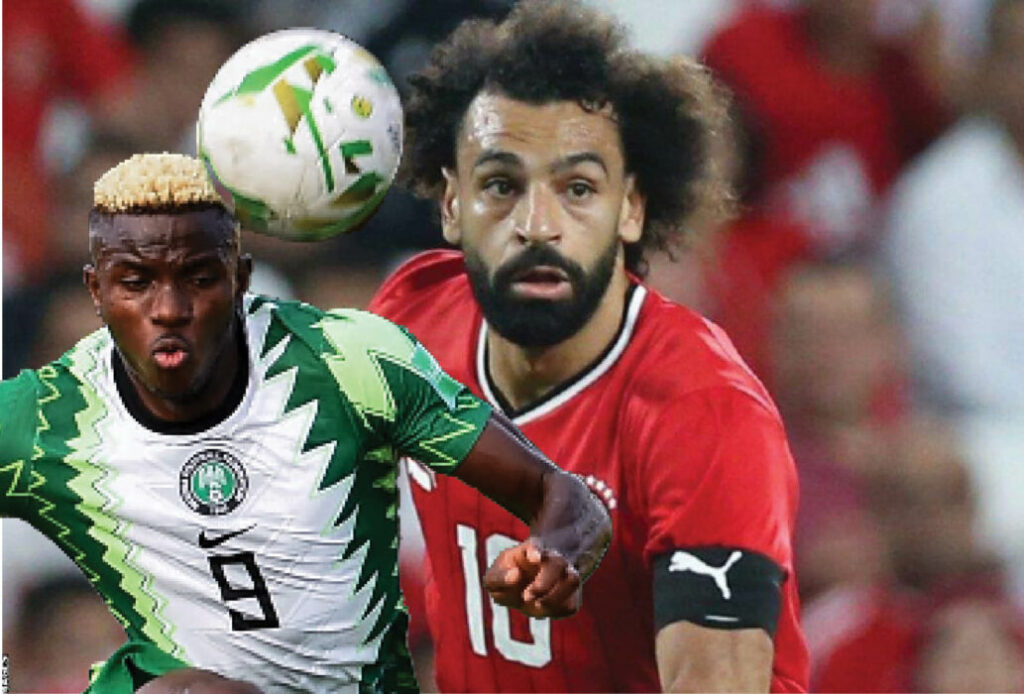

African Cup of Nations deserves same respect as any other tournament
- Morocco Sport
OurDailyAfrica Reporter
- 0
- 6 minutes read

African Cup of Nations deserves same respect as any other tournament — push for global recognition
Former England international Eni Aluko has argued that the Africa Cup of Nations (AFCON) should be treated with the same esteem as elite global competitions like the World Cup or European Championships. Speaking during a diaspora-promotion event in London ahead of the 2025 edition in Morocco, she insisted that African football deserves full respect and appreciation.
Aluko pointed out that some observers still question African football’s value — attitudes she described as rooted in ignorance. She emphasised that African football continues to grow rapidly, with many African stars now playing in top European leagues. For those who dismiss AFCON, she suggested they simply choose not to watch — but noted they’d be missing out on high-level competition and passion.
According to the tournament organiser, the upcoming AFCON will feature its continent’s best talent. Despite scheduling conflicts with major European leagues, officials are confident that top players will represent their countries, showing that African football remains a priority for its stars.
Why AFCON matters — more than just sport
AFCON represents far more than a regional competition. For many African fans, it is a celebration of identity, national pride, and shared heritage. The tournament brings together diverse nations under a common love for football, creating bonds across borders and generations.
With top players participating, AFCON delivers high-quality football, dramatic showdowns, and unforgettable moments. For diaspora communities and fans worldwide, it offers a chance to reconnect with their roots — and to celebrate African talent on a grand stage.
Moreover, AFCON serves as a platform for African players to showcase skill, leadership, and resilience. Many players who shine in European clubs started in Africa, proving that AFCON remains a crucial stage for talent recognition and development.
Addressing criticism — visibility, scheduling and respect
Critics often point to scheduling conflicts — such as overlaps with major European leagues — as a reason to undervalue AFCON. However, organizers argue that the sport’s growing appeal across Africa and internationally demands respect, regardless of calendar challenges.
Supporters insist that global perception matters less than what the tournament means to millions of Africans. Dismissing AFCON as “lesser” overlooks its emotional significance, cultural impact, and the high level of competition it delivers.
They also challenge media and pundits who treat AFCON as a secondary event, arguing that such bias undermines African football’s legitimacy and the hard work of its players and organisers.
The 2025 edition — a stage poised for greatness
As the 2025 AFCON approaches, expectations are high. Host nation Morocco has prepared to welcome teams and fans in top-class venues. Officials involved in planning say they have worked to ensure that this edition reaffirms AFCON’s status as a premier tournament.
With improved broadcasting deals, broader media coverage, and growing diaspora engagement, AFCON 2025 may reach larger audiences than ever before. The organisers are betting on visibility, quality, and African pride to elevate the tournament globally.
Regardless of outside opinions, AFCON remains — for many — the heart of African football. It carries heritage, hope, and the thrill of competition.
Conclusion — Time to respect AFCON as major tournament
The call by Eni Aluko is clear: the African Cup of Nations deserves same respect as any other tournament. As football evolves globally, it is increasingly unjustifiable to treat AFCON as a “second-class” event.
AFCON stands tall — with quality, passion, identity, and influence. It deserves recognition, respect, and support on the global stage, just like any top-tier football tournament.