

Guinea Bans Raw Gold Exports in Bid to Boost Revenue
- Uncategorized
OurDailyAfrica Reporter
- 0
- 5 minutes read
Guinea Bans Raw Gold Exports in Bid to Boost Revenue
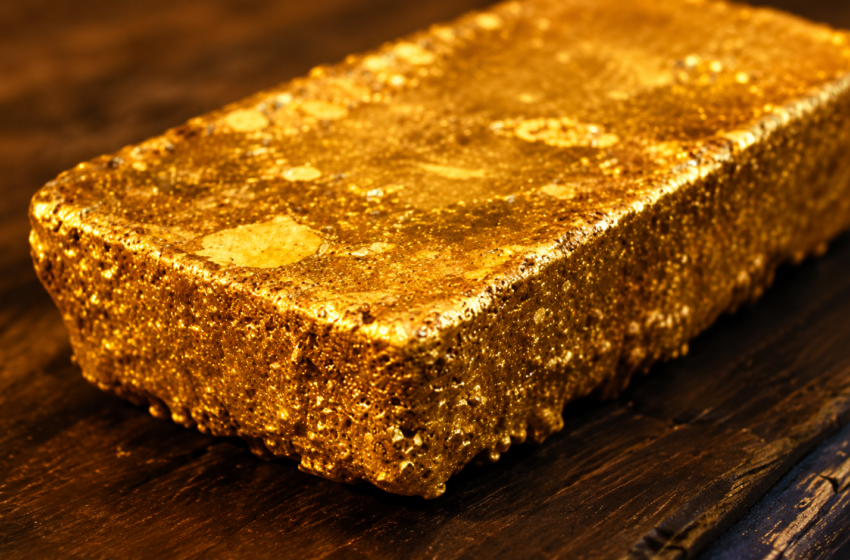
Guinea has announced a ban on the export of raw gold, marking a major shift in the country’s mining policy as authorities seek to generate more revenue from one of its most valuable natural resources.
President Mamadi Doumbouya unveiled the measure during a meeting with mining sector stakeholders, stating that Guinea can no longer afford to export its mineral wealth without benefiting fully from the value it creates. Under the new policy, all gold produced in the country must be refined locally before it can be exported to international markets.
Government Wants More Value From Gold
According to the Guinean government, the country has for years exported raw gold to foreign refineries, where it is processed, certified, and sold at a higher value. Officials argue that this system deprives Guinea of jobs, industrial growth, and a significant share of the profits generated by its mineral resources.
President Doumbouya said the policy forms part of broader efforts to ensure that the country’s natural wealth contributes more directly to national development and economic growth. He emphasized that Guinea must move beyond being only a supplier of raw materials and begin processing more of its resources at home.
Local Refinery Expected to Play Key Role
The government is banking on the upcoming Nimba Gold Refinery to support the transition. Authorities describe the facility as one of the most ambitious gold-processing projects on the continent and expect it to improve traceability, increase local value addition, and strengthen oversight of the gold sector.
Officials have warned that companies that fail to comply with the new directive could face penalties, signaling the government’s determination to enforce the policy.
Part of a Wider Resource Strategy
The move mirrors a growing trend among resource-rich countries seeking to process more minerals domestically rather than exporting them in raw form. Guinea has already pursued similar policies in its bauxite sector, where authorities have pushed for increased local refining and processing capacity.
Analysts say the gold export ban could help Guinea capture a larger share of mining profits while creating jobs and supporting industrial development. However, the success of the policy will depend largely on the country’s ability to expand refining capacity and attract investment into downstream processing.
About Guinea’s Mining Industry
Guinea is one of Africa’s most resource-rich countries, with significant deposits of gold, bauxite, iron ore, diamonds, and other minerals. Despite its vast natural wealth, many Guineans continue to face economic challenges, a situation the government says it hopes to address through reforms that increase local participation in the mining value chain.